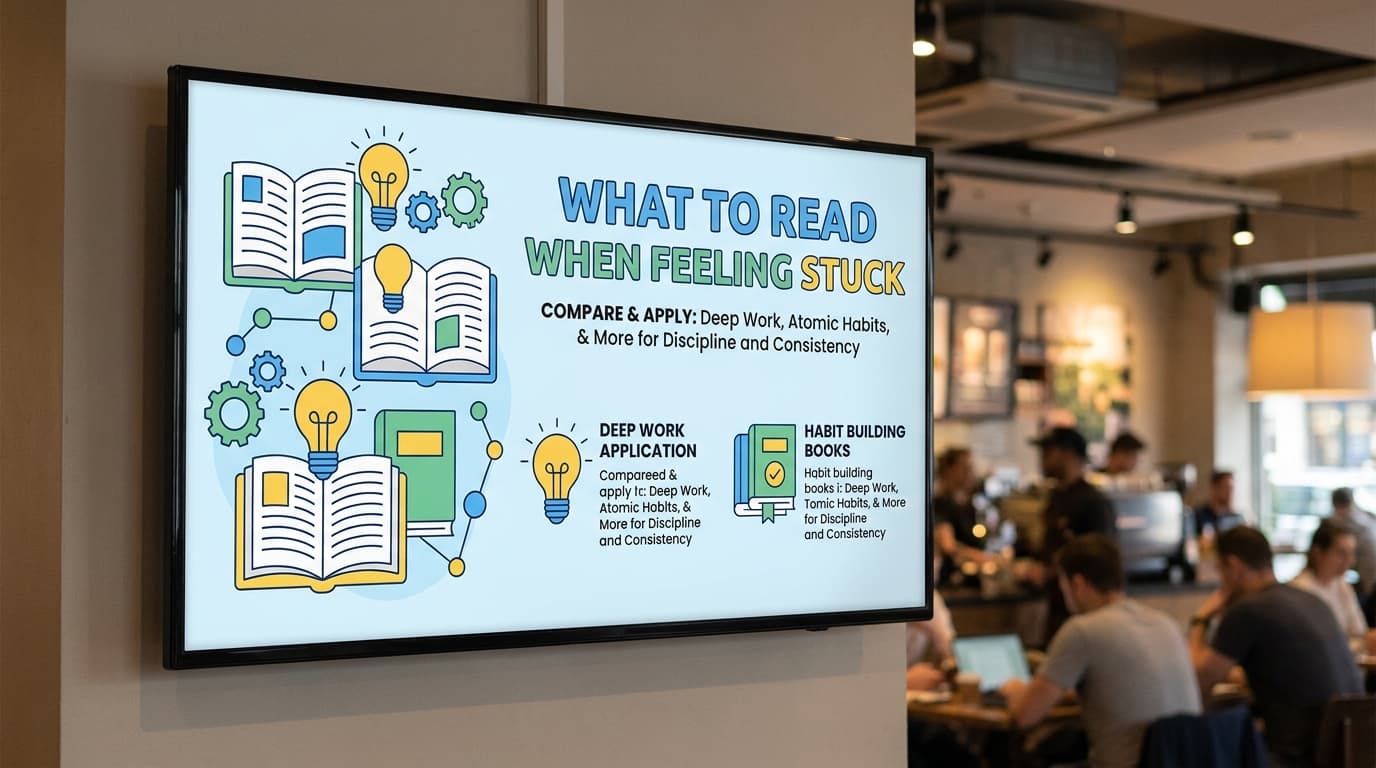
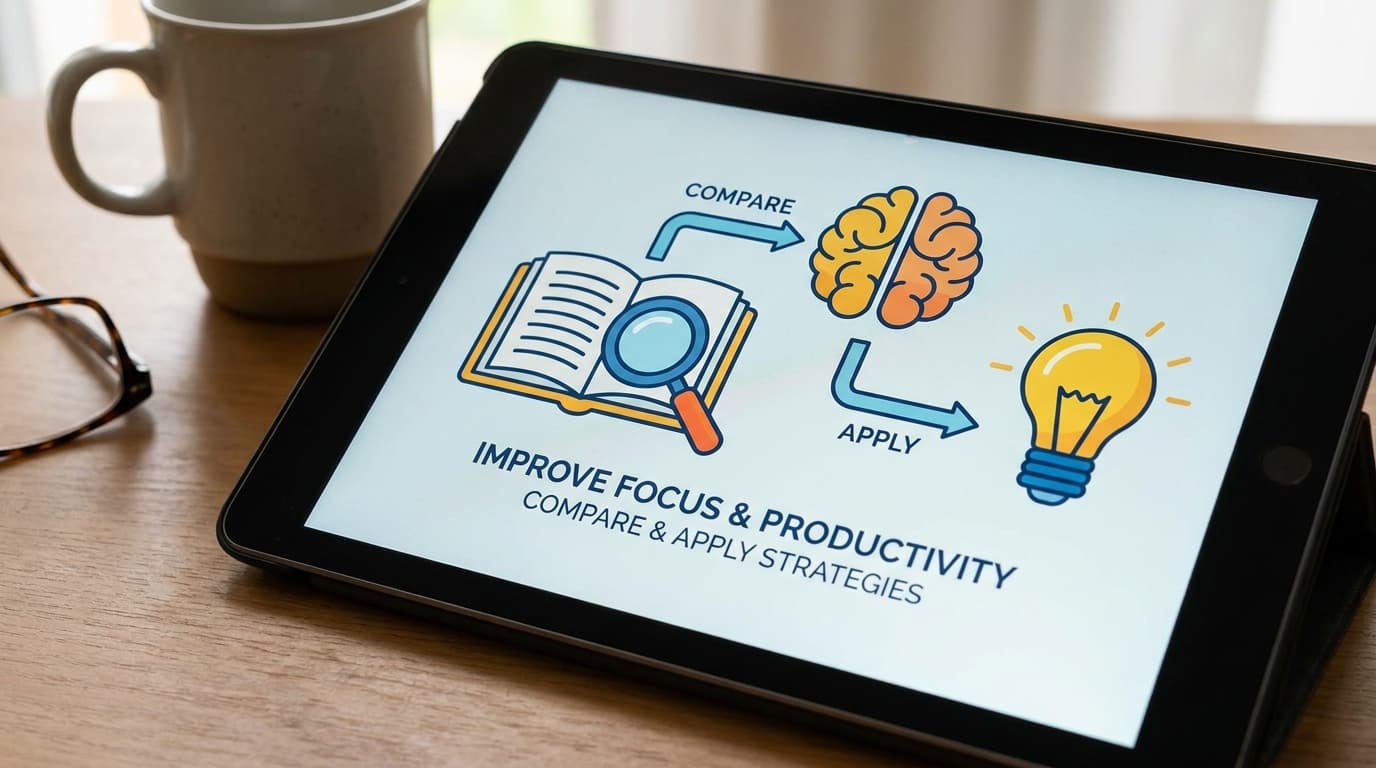
Why Motivation Is a Flaky Friend (and How to Build Habits That Actually Stick)
Have you ever felt that huge burst of new me energy on a Monday morning only to find it totally gone by Tuesday? It is a common cycle where we...

ScoreRead Editorial Team
Editorial Team

Why Motivation Is a Flaky Friend (and How to Build Habits That Actually Stick)
Have you ever felt that huge burst of new me energy on a Monday morning only to find it totally gone by Tuesday? It is a common cycle where we wait to feel inspired before we actually start doing the work, but relying on that spark is usually a mistake.
Most people blame themselves for a lack of willpower when the real problem is just a bad system. Understanding the balance of discipline vs motivation vs habits is the secret to getting things done without the constant stress. It is about moving away from feeling like it and toward a routine that runs on autopilot, much like how your cat never forgets exactly when it is time for breakfast.
This guide breaks down why motivation is such a flaky friend and how you can build a system that stays strong for the long haul. We will compare these three success drivers and show you how to build sustainable habits that do not require constant grit. It is time to stop trying so hard and start building a life that works for you.
We’ve all been there. It’s Monday morning, the coffee is hot, and you feel like you could run a marathon or finally organize that junk drawer. You’re fueled by pure motivation. But by Tuesday afternoon? That spark is gone, replaced by a sudden urge to nap. Here’s the thing: motivation is like that friend who promises to help you move but then stops answering their phone. It’s great when it’s around, but you can’t actually rely on it to get the hard work done.
Most of us blame our lack of willpower when we fall off track. We think we just aren't disciplined enough. But usually, the system is the problem, not you. Think of success drivers like a three-person team. Motivation is the hype man who gets you started. Discipline is the boss who makes you show up. Habits? Those are the automated systems that keep everything running without you even thinking about it. When you compare discipline vs motivation vs habits, it’s clear which one wins for long-term success.
Relying on a feeling is a recipe for inconsistency. This changes everything because it takes the pressure off your mood. Instead of waiting to feel inspired, focus on building sustainable habits that don’t require a pep talk every morning. The psychology of success habits shows that once a behavior becomes automatic, your brain stops fighting it. So, what would your daily routine look like if your behavior change systems were on autopilot?
Key insights:
- Motivation is a temporary spark, not a reliable fuel source for long-term goals.
- Willpower often fails because we rely on it to overcome poor systems.
- Habits reduce the mental energy needed to stay consistent.
- Success comes from the interplay of motivation, discipline, and automation.
The Motivation Trap: Why It Is Great Until It Disappears
Ever wake up at 2 AM ready to change your entire life? You feel this surge of energy, write down a ten-step plan, and promise yourself tomorrow is the day. Then morning comes. The coffee is not strong enough, the room is cold, and that spark is gone. That is the motivation trap. We often treat motivation like a fuel tank that should always be full, but in reality, it is more like a lightning strike. It is bright and powerful, but it was never meant to last.
The science of why those dopamine hits fade is pretty simple. When you get excited about a new goal, your brain releases dopamine, making you feel like you have already won. But dopamine is about the pursuit, not the maintenance. Once the novelty wears off, your brain looks for the next shiny thing. If you rely on feeling like it to get work done, you are letting a fickle emotion run your life. It is a recipe for staying in bed because emotions are notoriously bad at following a schedule.
This is where we see the real gap in behavior change systems. Discipline and habits are the boring, reliable siblings of flashy motivation. While motivation is a push that you have to summon, a good system is a pull. It draws you in because the path is already laid out. Think of it this way: you do not need to be motivated to brush your teeth. You just do it because it is part of the morning. Success drivers comparison shows that those who win long term are not more inspired, they just have better systems for when they feel lazy.
But wait, motivation is not totally useless. You just have to use it correctly. Think of motivation as a bonus, not a requirement. When you do feel that rare surge of energy, do not just work harder in the moment. Instead, use that spark to set up a system that works even when you are tired. If you are motivated to eat healthy, do not just cook one meal. Use that energy to meal prep for the week or throw away the junk food in your pantry. This is using the spark to build the engine.
The goal is to move from push motivation to pull habits. When you are in a push phase, you are constantly fighting yourself. But when you focus on building sustainable habits, the routine does the heavy lifting. You stop asking if you feel like doing something and start asking if it is time to do it. That shift changes everything. It turns a chaotic cycle of starting and stopping into a steady crawl toward what you actually want. It is about being consistent even when the excitement is long gone.
Key insights:
- Motivation is a fleeting emotion, not a reliable strategy for long-term change.
- Use high-energy moments to build systems rather than just completing one-off tasks.
- Discipline works because it removes the need for a good mood to take action.
- The psychology of success habits relies on reducing the friction of starting.
When Motivation Is Actually Useful
Think of motivation like a match. It is perfect for starting a fire, but it is a terrible way to keep your house warm all winter. Most people wait for that spark before they take any action at all. But here is the real secret: use that sudden burst of energy to build a system that works even when you are exhausted. If you feel a surge of excitement on a Sunday night, do not just make a mental note to be better. Use that hour to meal prep or automate your savings. You are using a temporary feeling to create a permanent structure.
There is also a big difference between push and pull motivation. Push motivation feels like a constant chore, where you are nagging yourself to get off the couch. Pull motivation happens when your goals are so clear that they actually draw you toward them. Even then, you should treat motivation like a nice bonus rather than a requirement for showing up. When it arrives, use it to do the heavy lifting or tackle a difficult project. When it disappears, let your habits take over.
So, what does this mean for you? It means you stop asking yourself if you feel like doing the work. You just do it because the system is already in place. This shift from feeling-based action to system-based action is what separates people who start things from people who actually finish them. It takes the pressure off your mood and puts the power back in your routine.
Key insights:
- Use motivation to build systems, not just to complete single tasks.
- Distinguish between nagging yourself and being pulled toward a clear goal.
- Treat a high-energy mood as a tool for extra progress, not the fuel for basic consistency.
Discipline Is Like a Muscle (and Yes, It Gets Tired)
Think about the last time you tried to start a new routine. Maybe it was hitting the gym at dawn or finally tackling that side project after a long day at the office. On day one, you are fueled by pure excitement. But by day four, when the alarm goes off and it is freezing outside, that excitement is nowhere to be found. This is where discipline kicks in. It is simply the ability to show up when you really, really do not want to. But here is the catch: discipline is like a muscle. Just like your legs after a long hike, your discipline gets tired if you overwork it without giving it a rest.
This brings us to the idea of decision fatigue. Your brain has a limited supply of willpower every day. Every time you force yourself to do something difficult or make a choice, you are tapping into that willpower battery. If you spend your whole morning resisting the urge to check your phone or choosing between fifty different ways to start an email, your battery is going to be in the red by lunch. This is why you might find yourself scrolling aimlessly by 3 PM even though you were a powerhouse at 9 AM. You did not lose your drive; you just ran out of fuel.
So, how do people who seem perfectly disciplined stay on track without losing their minds? They stop relying on grit. There is a common myth that success comes from white-knuckling your way through every temptation, but that is a fast track to burnout. If you are constantly fighting your environment, you are wasting precious energy. The interesting part is that highly disciplined people actually use less willpower than you think. They do not leave their success up to how they happen to feel in the moment because they know motivation is a flaky friend.
Instead of trying to be stronger, try making the path easier. This is what we call the path of least resistance. Think of it like a cat that keeps jumping on the kitchen counter. You can spend all day shooing them away, but it is much easier to just give them a more comfortable perch nearby. If you want to work out in the morning, put your shoes right next to the bed so you practically trip over them. By removing the tiny hurdles that drain your willpower, you save your discipline for the big, important stuff. Consistency does not come from being a hero every day. It comes from designing a life where it is simply harder to fail.
Key insights:
- Willpower is a finite resource that drains with every decision you make throughout the day.
- The most disciplined people rely on systems and environment design rather than raw grit.
- White-knuckling your way through goals is a short-term strategy that usually leads to burnout.
- Reducing friction is more effective for long-term consistency than increasing effort.
The Real Cost of Relying Only on Grit
Ever feel like you are trying to herd cats just to get through your own to-do list? We often look at successful people and think they have a magical superpower of iron will. We assume they just want it more. But here is the reality: relying on pure grit is a total trap. If you are constantly forcing yourself to do things you hate, you are going to burn out faster than a kitten after a round of zoomies.
The truth about high-discipline people is that they actually use less willpower than you do. Instead of fighting a daily war with their own laziness, they have built behavior change systems that make the right choice the easy choice. They aren't white-knuckling their way through the day. When you compare discipline vs motivation vs habits, you see that habits win because they do not require you to be a hero every single morning.
Think about your environment for a moment. If you want to eat better but your kitchen is full of junk food, you are wasting mental energy just resisting it. That is the cost of relying only on grit. You can make things much easier by creating a path of least resistance for your goals. It is like putting the cat treats right by the brush so your cat actually enjoys being groomed instead of running away.
What does this mean for you? It means you should stop trying to be tougher and start being more strategic. Focus on the psychology of success habits instead of constantly testing your character. When you stop fighting yourself, consistency starts to feel natural. Building sustainable habits is about being smart and setting yourself up for a win before you even start.
Key insights:
- High-discipline people rely on their environment more than their willpower.
- White-knuckling creates mental fatigue that eventually leads to failure.
- The path of least resistance is the secret to long term success.
Why Habits Are Your Real Secret Superpower
Ever wonder why you can drive home from work and realize you do not remember the last five miles? That is your brain on autopilot. Motivation is like a sparkler. It is bright and exciting but burns out in seconds. Habits are more like a slow burning log that keeps the house warm all night. When we talk about discipline vs motivation vs habits, we are really talking about where the work happens in your head. Motivation is a feeling you wait for, but a habit is a system you own.
Most of what you do every day is not a conscious choice. Your brain is a bit lazy and wants to save energy for big problems. To do this, it moves repetitive actions to a deep part of the brain called the basal ganglia. This is your secret superpower. Once a behavior moves there, you stop thinking about it and you just do it. This is why building sustainable habits is the only real way to change your life. You are literally rewiring your hardware to make success feel like the default setting instead of a daily struggle.
Every habit follows a simple loop. It starts with a cue, which triggers a craving. Then you perform the response and get a reward. If you want to fix your behavior change systems, you have to look at these four steps. If you try to use sheer willpower to skip the reward, your brain will eventually rebel. This is the psychology of success habits in action. Small, boring wins are actually better than big, flashy efforts because they do not trigger the brain's alarm that says things are getting too difficult.
Think about your cat for a second. Have you noticed how they thrive on a strict schedule? They know exactly when breakfast happens and where the best sunbeams are at noon. Routine creates a sense of safety and ease for them, and it does the same for you. One of the best ways to get started is habit stacking. This just means picking something you already do, like brushing your teeth, and immediately following it with a new habit, like doing five pushups. You are piggybacking on a neural pathway that is already strong.
You can also make your environment work for you instead of fighting against it. If you want to drink more water, put a glass on your nightstand. If you want to stop scrolling on your phone, put it in another room. Cats do not try to resist a closed door, they just find another place to nap. Instead of testing your discipline, just change the room. Productivity systems analysis shows that people with the best habits do not actually have more willpower. They just set up their lives so they do not have to use it as often.
Key insights:
- The basal ganglia handles habits so your conscious brain can focus on bigger tasks.
- Habit stacking works by linking a new behavior to one that is already automatic.
- Environment design is more effective than relying on willpower alone.
- Small wins are more sustainable than large, sudden lifestyle changes.
Steal a Page From Your Cat's Playbook
Have you ever noticed how your cat never needs a motivational speech to follow their daily schedule? They do not wake up wondering if they feel like grooming or stalking a sunbeam. For a cat, routine is everything because it creates a sense of total safety. When your day follows a predictable rhythm, your brain stops fighting for control and starts relaxing into the flow. You are not constantly burning energy on decisions because the path is already paved. This sense of ease is exactly what happens when you stop waiting for a spark and start building a system.
One of the best ways to build this rhythm is through habit stacking. Think of it like your cat knowing that as soon as you walk into the kitchen, it is time for a treat. You can do the same by tethering a new behavior to an old one. If you want to start a stretching habit, do it right after you set your morning coffee to brew. By attaching the new link to a solid chain, you stop relying on willpower and start relying on the sequence. It is simple, effective, and takes the guesswork out of your morning.
Finally, take a look at how your cat chooses their environment. They do not try to nap in a cold or noisy hallway. They find the exact spot where the sun hits the carpet. You should also make your surroundings work for you rather than against you. If you want to read more, put a book on your pillow instead of your phone. Small changes to your space make the right choices feel like the easiest ones to make. What would happen if you stopped fighting your environment and started arranging it for your own success?
Key insights:
- Routine lowers stress by removing the need to make constant decisions.
- Habit stacking uses existing triggers to make new behaviors automatic.
- Changing your physical space can make good habits feel effortless.
The Showdown: Comparing the Three Success Drivers
So, you have a big goal. On day one, you are probably on fire. That is motivation. It is the spark that gets the engine running, but it is also the first thing to disappear when you are tired or stressed. Think of it as a sprint. It is great for getting off the starting line, but you cannot run a marathon at that pace without burning out. When we look at consistency vs discipline vs motivation, we see that they all play different roles in the story of your success.
This is where the showdown happens. If motivation is the spark, discipline is the fuel you force into the engine when you do not feel like moving. But even discipline is exhausting over time. The real winner in this comparison is the habit. When you compare discipline vs motivation vs habits, you see a clear timeline. Motivation starts the journey, discipline keeps you going through the messy middle, and habits are what happen when the behavior becomes automatic. Habits take the effort out of the equation.
The big shift happens when you stop trying so hard and start building a system instead. Most people fail because they rely on willpower, which is a limited resource that runs out by dinner time. Instead, look at behavior change systems. If you want to work out more, do not just try harder to wake up early. Set your clothes out the night before and move your alarm across the room. You are designing your environment so you do not have to think or choose. You just do.
What works for long term success is not a one-time burst of energy. It is the boring, daily repetition of small acts. When you pivot from trying to be better to building a routine, you take the pressure off your brain. You are not deciding to be successful every morning. You are just following the path you already laid out. That is how you win the long game without losing your mind.
Key insights:
- Motivation is for the start, discipline is for the middle, and habits are for the finish line.
- Systems beat willpower because they do not require you to make difficult choices when you are tired.
- Long term success comes from making the right behaviors so easy they become your new normal.
Building a System That Doesn't Make You Miserable
Most people treat self-improvement like a boot camp. They wake up one Monday and decide to change everything at once. It feels great for three days because motivation is high. But then Friday hits, you're tired, and the whole system collapses. If your behavior change systems make you feel like a failure, the system is the problem, not you. Building sustainable habits isn't about suffering. It is about creating a path that feels so easy you actually want to walk it. Think of it like a cat finding the one sunbeam in the house. They don't force it. They just go where it feels right because that's where they belong.
To start, you need a step-by-step guide to starting tiny. If you want to read more, read one page. If you want to exercise, do three pushups. The goal here is to prove to yourself that you can show up. When it comes to tracking, don't get lost in the data. A simple checkmark on a calendar is enough. You aren't a lab rat. You're a person trying to get better. Tracking should feel like a small win, not a heavy chore that makes you obsessed with the numbers. It is like watching your kitten learn to jump. You celebrate the attempt, not just the perfect landing.
The real secret to long term success is forgiving yourself. You will miss a day. Life happens. You get sick, the car breaks down, or you just lose track of time. When that happens, the voice in your head might tell you that you've ruined everything. That's a lie. One missed day is a fluke. Two missed days is the start of a new habit. Just get back to it tomorrow without the guilt trip. Cats don't feel guilty for napping all day after a busy morning of chasing shadows. Forgiving yourself is actually a high-level productivity skill that keeps you in the game long enough to see results.
This is where the 2-minute rule for new habits becomes your best friend. Almost any habit can be scaled down into a version that takes less than two minutes. Putting on your running shoes is a habit. Opening your journal is a habit. We often get stuck thinking that if the work isn't high quality, it doesn't count. That's a trap. In the battle of consistency vs discipline vs motivation, showing up is the only thing that builds the neural pathways you need. You're not training for a marathon yet. You're training to be the person who simply does not miss.
Why good enough is the gold standard for consistency? Because it works when life is hard. On days when you have zero energy, doing a 2-minute version of your habit keeps the streak alive. It keeps the identity of someone who does this intact. This is the psychology of success habits in action. You aren't relying on a burst of inspiration. You're relying on a system that is too simple to quit. What does this mean for you? It means you can stop waiting for the perfect moment and just start right where you are with what you have.
Key insights:
- Forgiveness is a practical productivity skill that prevents a single slip from becoming a total collapse.
- The 2-minute rule builds the identity of a consistent person before worrying about the quality of the work.
- Good enough is better than perfect because it survives the days when your energy is low.
The 2-Minute Rule for New Habits
Ever feel like your goals are too big to even start? We have all been there. It is like trying to herd a dozen kittens into a basket at once. Instead, just focus on one. The 2-minute rule says you should scale your habit down until it takes almost no effort. If you want to read more, read one page. If you want to do yoga, just roll out your mat. You want to make it impossible to fail.
This works because you are focusing on showing up. Most people worry about the quality of their work before they even have a routine. But you cannot improve a habit that does not exist yet. By making "good enough" your gold standard, you stop obsessing over perfection. It might feel silly to put on gym clothes and then walk right back inside, but you are proving that you are the type of person who stays consistent.
Think of it as a gateway. Once you start, it is much easier to keep going. But even if you stop after two minutes, you still will not feel like a failure. You did what you promised. This builds the kind of long term success that motivation cannot touch because it relies on simple actions rather than fleeting feelings.
Key insights:
- Focus on the start, not the finish.
- Consistency is more important than intensity.
- You cannot optimize a habit that does not exist yet.
Final Thoughts: Becoming the Person Who Just 'Does It'
So, where does this leave you? We often spend our lives waiting for a lightning bolt of motivation to strike, but that is like waiting for a cat to come when called - it happens on their terms, not yours. Real change does not happen when you finally feel like it. It happens when you stop seeing yourself as someone trying to change and start seeing yourself as the person who already does the work. When you shift from saying I want to be a runner to I am a runner, the exhausting internal debate starts to fade away.
There is a quiet kind of peace that comes with a predictable routine. Think about how a cat knows exactly when it is dinner time without ever checking a clock; that consistency creates a sense of safety and flow. Your brain works the same way. By leaning into behavior change systems rather than chasing the temporary high of motivation, you build a life that runs on autopilot. You are not forcing yourself to be disciplined anymore; you are just living out your identity. This is how you win the discipline vs motivation battle for good.
Do not worry about being perfect right away. Just stay curious about what works for your specific life and your own rhythm. Start so small it feels almost silly, and keep showing up. Whether you are looking for better success drivers or just trying to get through your to-do list, the answer is always the same: stay consistent. You have got this. Just keep moving, stay curious, and let the habits do the heavy lifting for you.
Frequently Asked Questions
Definitely. Motivation is like that friend who is always down to party but disappears when it is time to help you move. It feels amazing when it is there, but it leaves the second things get hard, tiring, or just plain boring. If you only work when you feel inspired, you will likely only get things done a few days a month.
Discipline is what takes over when the excitement wears off. It is about building a system so you do not have to make a hard choice every morning. You just do it because it is part of your routine. Think of motivation as the spark that starts the engine and discipline as the fuel that actually gets you to your destination.
You have probably heard the 21-day rule, but that is actually a myth. Most research shows it takes closer to 66 days for a new behavior to become automatic. But here is the thing: it varies a lot. Some people nail it in 18 days, while others might need closer to a year depending on how big the change is.
The difficulty of the habit matters too. Drinking a glass of water every morning is much easier for your brain to automate than starting a daily weightlifting routine. The trick is to focus on the streak rather than the calendar. Do not worry about the specific day count; just try your best not to miss two days in a row.
First, don't beat yourself up because it happens to everyone. Motivation is a bit like a fair-weather friend - it shows up when things are exciting but often disappears when the actual work starts. When that spark dies out, you have to stop relying on how you feel and start relying on the small habits you've already built.
The best trick is to lower the bar so much that it is impossible to fail. If you can't find the drive to work for an hour, just tell yourself you'll do five minutes. Most of the time, the act of starting is what actually creates new motivation. Action leads to feelings, not the other way around.
It sounds a bit strange, but yes, you can definitely overdo it. If your discipline is so stiff that you feel guilty for taking a break or changing your plans, you are probably heading toward burnout. Discipline should be a tool that gives you more freedom in life, not a cage that makes you feel miserable.
Think of it like a guitar string. It needs some tension to make music, but if you tighten it too much, it snaps. You want to build systems that are sturdy enough to keep you on track but flexible enough to let you breathe. True success comes from knowing when to push yourself and when to let yourself recover.
Conclusion
So what is the big takeaway here? Relying on motivation is like waiting for your cat to come when called. It might happen occasionally, but you definitely should not bet your life on it. Real progress happens when we stop waiting for a burst of energy and start building systems that work even when we are grumpy or tired. By comparing discipline vs motivation vs habits, we see that while motivation starts the car and discipline steers it through the rain, habits are the engine that keeps things moving without you having to think about it.
Your next move is to stop trying to change everything at once. Consider trying the 2-minute rule to make your goals feel manageable. Pick one tiny thing you want to do and tie it to something you already do every single day. If you want to read more, put a book on your pillow when you make the bed. If you want to stretch, do it while the coffee is brewing or while you are waiting for the cat to finish eating. These small stacks turn effort into a natural part of your day.
You do not need to be a person with perfect willpower to reach your goals. You just need to be a person with a solid routine. Start small, stay consistent, and let your habits do the heavy lifting for you. Success is not about a sudden spark. It is about showing up until the work becomes as natural as breathing.
Send it to someone who should read it next.
About the author

ScoreRead Editorial Team
Editorial Team
Every article on ScoreRead is researched, written, and edited by our editorial team before publishing, so the ideas we cover stay accurate, clear, and genuinely useful.
View all articles