The Best Books for Overcoming Procrastination and Building Consistency
You don't need more willpower to succeed. You actually need better systems, and the best books for overcoming procrastination and building consistency show you exactly how to build them.

ScoreRead Editorial Team
Editorial Team

The Best Books for Overcoming Procrastination and Building Consistency
You don't need more willpower to succeed. You actually need better systems, and the best books for overcoming procrastination and building consistency show you exactly how to build them.
Instead of just giving you a pep talk, these books focus on brain science to help you stop self-sabotaging. It's all about making small changes that stick so you don't feel overwhelmed.
We'll look at key takeaways from favorites like Atomic Habits and show you how to use strategic reading to improve your focus and self-awareness starting today.
Table of Contents
- Why Atomic Habits Key Takeaways are Essential for Real Life Application
- How to Develop Self Awareness Through Powerful Books
- The Best Books for Cultivating Emotional Intelligence and Empathy
- How to Improve Decision Making Skills with Strategic Reading
- Common Questions About Personal Growth Books
- Frequently Asked Questions
- Conclusion
Why Atomic Habits Key Takeaways are Essential for Real Life Application
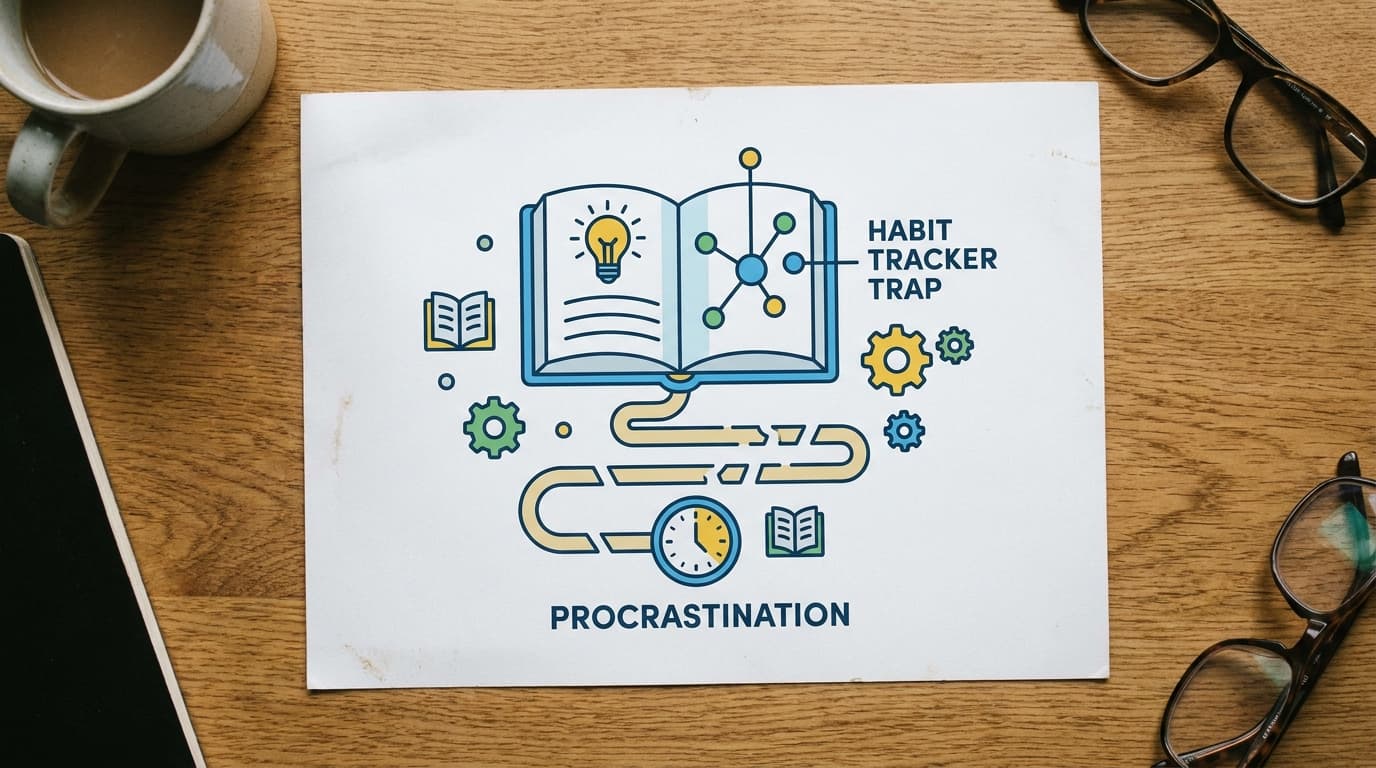
Turning big ideas into actual habits is where most people get stuck. You read a book, feel inspired, and then change nothing. The secret isn't more willpower. Instead, it is about building a system that makes success inevitable. James Clear notes that you do not rise to the level of your goals, but fall to the level of your systems. This works because it focuses on the mechanics of your day rather than just your desires.
Imagine you want to start meditating but keep forgetting. Instead of hoping you will remember, you use habit stacking. You decide that as soon as your morning coffee hits the mug, you will sit for just one minute of quiet. By anchoring the new behavior to an existing one, you stop relying on your memory and start relying on your routine. It is a small shift, but it is how a book with over 25 million copies sold actually changes lives.
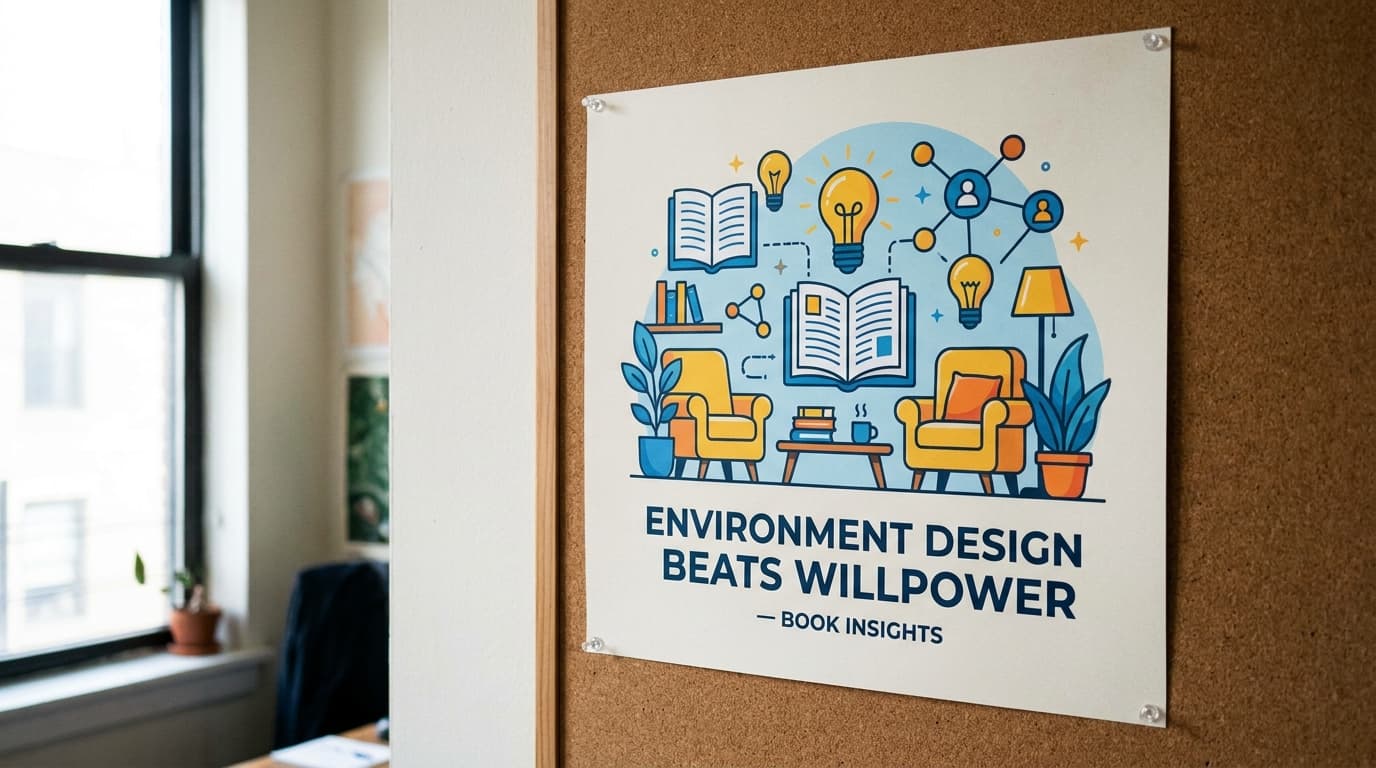
Your surroundings often have a bigger impact on your choices than your brain does. If you want to eat better but keep cookies on the counter, you are fighting a losing battle against your own eyes. Changing your environment takes the pressure off your self-control. It is much easier to make a good choice when it is the only choice in front of you. This is why books like Atomic Habits for consistency suggest redesigning your space first.
For example, if you want to exercise first thing in the morning, put your gym shoes right by the door. You make the habit obvious. On the flip side, if you find yourself scrolling social media instead of working, try putting your phone in another room. Removing that one digital distraction can help you improve your focus without needing a drop of extra discipline.
Research shows that tracking your goals and progress can boost your success rates by as much as 76 percent. It turns vague intentions into a visual record you cannot ignore. When you see your progress on paper, it becomes much harder to keep making excuses. Small, daily wins like this build the momentum you need for long-term consistency.
Key insights:
- Focus on getting 1% better every day through systems rather than chasing massive, intimidating goals.
- Pair a new habit with a current habit you already do every day, like your morning coffee or brushing your teeth.
- Design your environment to make good habits the obvious choice and bad habits invisible.
- Remove one digital distraction from your workspace to automate your focus and reduce decision fatigue.
- Use a physical planner to track your wins and keep your momentum high.
Mastering Environmental Design Over Willpower
Willpower is a limited resource that usually runs out when you need it most. Relying on grit is exhausting, but changing your physical space makes good choices feel like the path of least resistance. When you design your room for a specific purpose, you stop fighting your brain and let your surroundings guide your behavior.
Imagine a writer who gets distracted by snacks in the kitchen. Instead of using willpower, they could work in a library where food is not allowed. This is like placing your gym shoes by the door to make exercise the obvious choice; you are simply removing the need to make a decision.
This is why the best books for building discipline and consistency focus on systems. You do not rise to the level of your goals; you fall to the level of your systems. This is one of the most important atomic habits key takeaways for real life application today.
Key insights:
- Disable non-essential desktop notifications to keep your computer screen focused on one task.
- Place a glass of water on your nightstand to make hydration your first successful act of the day.
- Clear your desk every evening so you can start the next morning without mental clutter.
- Apply the 76 percent success boost by using a physical wall calendar to mark every day you stick to your new environment.
How to Develop Self Awareness Through Powerful Books
Reading actually changes how you see yourself because it forces you to confront perspectives that aren't your own. When you engage with a book that challenges your worldview, your brain has to reconcile new information with your existing beliefs. This process reveals your blind spots and helps you understand why you react to certain situations the way you do. The immersive experience of reading gives you the mental space to absorb and process ideas that you might ignore in shorter, digital formats.
True self-awareness comes from noticing which parts of a book make you feel defensive. If a chapter on discipline makes you feel annoyed, that's a signal. It's often a sign that the author is highlighting a part of your life where you feel stuck or guilty. Instead of closing the book, lean into that discomfort to see what it's trying to tell you about your current mindset.
Imagine you're sitting on the couch, thinking about a project you've wanted to start for months. You start worrying about failing, and before you know it, you're scrolling through your phone to escape the stress. This is where the 5 Second Rule comes in. By counting down - five, four, three, two, one - you physically interrupt that mental loop and force yourself to stand up. It's a simple way to bypass hesitation and jump into action before your brain talks you out of it.
This kind of growth is even more effective when you don't go it alone. Research shows that readers who discuss books in communities are 43 percent more likely to actually implement what they've learned. Sharing your insights with others helps solidify your new self-image and keeps you accountable as you build better habits.
Key insights:
- Keep a reaction journal to track which concepts make you feel uncomfortable or inspired while reading.
- Try the 5 Second Rule whenever you catch yourself overthinking a simple decision.
- Join a book club or discussion group to increase your chances of making real-life changes.
- Use the 76 percent success boost rule by tracking your daily progress in a physical planner.
- Look into Mbti Personality Type Books For Personal Growth And Self Awareness to better understand your natural tendencies.
The Best Books for Cultivating Emotional Intelligence and Empathy
Strategic reading improves your relationships by acting as a workout for your social brain. When you spend time with a well-written book, you are practicing how to see the world through someone else's eyes. This mental shift helps you pick up on social cues and emotional undercurrents that you might otherwise miss. It is a simple way to train your mind to be more present for the people around you.
This practice builds a bridge between your own life and the experiences of people you have never met. By exploring different ways of thinking, you become more flexible in your reactions. This makes it easier to handle conflict or offer support because you have a wider library of human emotions to draw from when things get tense.
Imagine you are in a high-stakes meeting where a colleague is pushing back on every idea you present. Instead of getting defensive, you recall a perspective from a book about diverse leadership styles you read last month. You realize their frustration might come from a fear of project failure rather than a personal attack. Because you have practiced empathy through reading, you can pause, listen, and respond with a question that cools the room down and finds common ground.
Understanding your own personality also helps you relate to others better. Looking into Mbti Personality Type Books For Personal Growth And Self Awareness can reveal why you react certain ways in social settings. This self-knowledge, combined with insights from How the Best Books for Introverts and Myers Briggs Types Help You Thrive, allows you to handle relationships with much more grace.
Key insights:
- Join a book club or discussion group to increase your implementation rate by 43 percent.
- Read memoirs or fiction from cultures different from your own to stretch your empathy muscles.
- Pause after a powerful chapter to ask how the character's struggle relates to someone in your real life.
- Practice active listening by giving your conversations the same deep focus you give to a good book.
How to Improve Decision Making Skills with Strategic Reading

You can definitely use design thinking to map out your career. It is a problem-solving method that treats your professional life like a prototype that you test and refine. Instead of overthinking the "perfect" move, you use insights from Silicon Valley-inspired books to run small experiments. This helps you figure out what actually works before you commit to a major change. It turns a scary life decision into a series of curious questions.
Strategic reading provides the framework for these tests. When you compare and apply decision making books best reads for procrastination and mindset growth, you learn to stop viewing choices as final. You start seeing them as data points. This shift in perspective lowers the stakes and makes it much easier to take the first step toward a new goal because you are just gathering information.
For example, think of a graphic designer who wants to transition into user experience design. Instead of enrolling in an expensive degree immediately, they read a book on life design and decide to "prototype" the career. They might take a short online course and spend a Saturday shadowing a friend in the industry. This low-risk experiment gives them real-world feedback on whether the new path actually fits their daily reality, saving them months of potential regret.
Key insights:
- Track your progress and goals in a physical planner to leverage the 76 percent success boost found in goal-setting research.
- Conduct "prototype conversations" by interviewing people in roles you find interesting after reading about their specific industry.
- Set a timer for five seconds to jump into a task when you feel the urge to overthink a simple decision.
- Break down large career goals into 1% daily improvements to build momentum without feeling overwhelmed by the big picture.
Common Questions About Personal Growth Books
Many readers fall into the "shelf-help" trap, where the act of buying a book feels like progress, but the pages remain unturned. This happens because we often chase the hype of a bestseller instead of looking for books grounded in brain science. Choosing titles that focus on neuroscience-backed advice helps you understand the why behind your behavior, making it much easier to stick with a new routine.
Imagine trying to focus on a guide about Mbti Personality Type Books For Personal Growth And Self Awareness while your living room looks like a catnip toy exploded. It is hard to find mental clarity when your physical space is cluttered. Research shows that decluttering your environment acts as a secret weapon for habit change, often working better than willpower alone. When you clear your desk, you are essentially clearing a path for new ideas to land.
If you want to stop collecting books and start changing your life, focus on implementation over consumption. Readers who discuss books in communities are 43 percent more likely to actually follow through on what they read. It turns a solitary activity into a shared commitment.
Key insights:
- Look for systems rather than goals when picking your next read to ensure long-term success.
- Count backward from five to one using the 5 Second Rule to jump into action before your brain talks you out of it.
- Pair a new reading habit with something you already do, like your morning coffee or your cat's breakfast time, to make consistency feel automatic.
- Check out Books Like Atomic Habits For Consistency And Growth if you want practical frameworks instead of vague motivation.
Frequently Asked Questions
If you want one book to help you stop putting things off, Atomic Habits by James Clear is the clear winner. It's not just a bestseller; it has sold over 25 million copies because it explains that you don't rise to the level of your goals, but fall to the level of your systems. Instead of relying on willpower, it teaches you to make tiny, 1% improvements that add up over time.
You might also find the '5 Second Rule' helpful. It's a simple process where you count backward from five to one to break the cycle of overthinking and just jump into action before your brain talks you out of it. It's a great way to bridge the gap between thinking about a task and actually doing it.
The secret to staying consistent when you're busy is to stop looking for big blocks of time and start using 'habit stacking.' This means pairing your reading with a habit you already have, like sitting on the bus or having your first cup of coffee. It makes the new habit feel automatic rather than like another chore on your to-do list.
Also, consider joining a book club or an online group. Research shows that readers who discuss books in communities are 43 percent more likely to actually implement real life changes. Having that social connection keeps you coming back to the pages even when life gets hectic because you have others keeping you accountable.
They really do, but there is a catch. Most people fail because they focus on the end goal instead of the process. As James Clear points out, you don't rise to the level of your goals, you actually fall to the level of your systems. It's about making tiny, 1% improvements every day rather than trying to change everything overnight.
The reason this book is so popular, with over 25 million copies sold worldwide, is that it gives you a practical framework like the Four Laws of Behavior Change. By making your good habits obvious and easy while making bad ones difficult, you stop relying on willpower and start relying on your environment.
Reading is one of the few ways left to truly step inside someone else's head for an extended period. Unlike social media, which is often fast and shallow, books provide an immersive experience that gives you the space to absorb and process complex emotions. This slow pace is exactly what helps build deep empathy.
To get the most out of it, don't just read alone. It turns out that readers who discuss books in communities are 43 percent more likely to implement real life changes. Sharing perspectives with others helps you see nuances you might have missed on your own, making the empathy you've gained much more practical.
Conclusion
Beating procrastination is rarely about finding more willpower. It is about building better systems that make your goals feel smaller and easier to reach. When you look at the best books for overcoming procrastination and building consistency, you see that success is not about being perfect every day. It is about understanding your own patterns and being kind to yourself along the way.
The real magic happens when you move from reading to doing. Whether you are using Atomic Habits key takeaways for real life application or learning how to develop self awareness through powerful books, the goal is to take one small step at a time. You can also learn how to improve decision making skills with strategic reading to help you plan your day with more confidence and clarity.
So, pick one book from this list and commit to just one tiny change this week. You do not have to fix everything at once to see a real difference. Just focus on being a little more consistent than you were yesterday and watch how those small wins start to pile up. You have totally got this.

Send it to someone who should read it next.
About the author

ScoreRead Editorial Team
Editorial Team
Every article on ScoreRead is researched, written, and edited by our editorial team before publishing, so the ideas we cover stay accurate, clear, and genuinely useful.
View all articles