Stop the Spiral: How to Finally Overcome Overthinking and Get Things Done
Have you ever spent hours planning a new project only to realize you are now too tired to actually start? It is a frustrating loop where your brain feels a...

ScoreRead Editorial Team
Editorial Team

Stop the Spiral: How to Finally Overcome Overthinking and Get Things Done
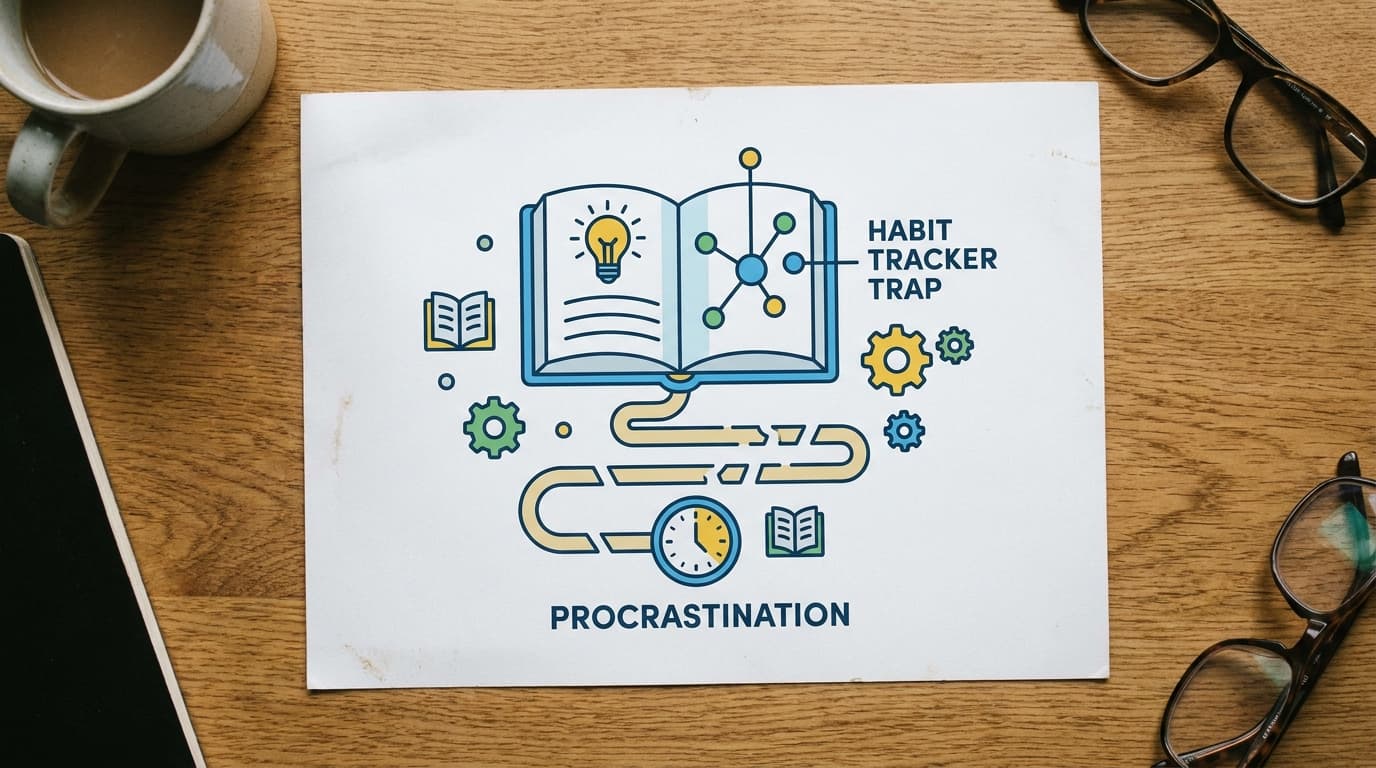
Have you ever spent hours planning a new project only to realize you are now too tired to actually start? It is a frustrating loop where your brain feels a bit like a cat chasing its own tail. You are moving fast, but you are not actually getting anywhere.
Overcoming overthinking with mindset shift techniques is not just a productivity hack. It is about reclaiming the years of life that hesitation and just one more day of planning tend to steal from us. When you stop the spiral, you finally give yourself room to breathe and take action.
We are going to explore how consistency habits for personal development can turn heavy mental lifting into something that feels automatic. You will also find discipline strategies for focus and learn how to apply deep work principles to your biggest tasks without feeling burned out.
This guide covers everything from eating your biggest frog first to building a habit loop that sticks. It is time to move from trying to doing so you can finally win your day and get things done.
Ever spent hours planning a task only to realize you haven't actually started? We often hide behind research because it feels safer than doing the work. One contributor to Psychology Today shared how hesitation and endless planning can steal years of your life. This isn't just a delay. It's a hidden cost that drains your energy and kills your momentum.
Our brains love the comfort of overthinking, but focus is a proactive choice. Brian Tracy suggests a simple strategy: pick your number one priority and don't stop until it's finished. This single-tasking method stops the mental spiral. While the first attempt is usually hard, repetition makes it easier. Eventually, consistency reduces the mental load, turning a difficult chore into an automatic habit.
Think of it this way: distraction is optional, but discipline is a choice you make every morning. When you commit to finishing one thing at a time, you stop the debate in your head. What does this mean for your day? It means less stress and more actual results. Stop waiting for the perfect moment and just start.
Key insights:
- Consistency lowers the mental energy needed for hard tasks.
- Single-tasking on your top priority prevents the spiral of hesitation.
- Discipline is a proactive choice, not a personality trait.
The Real Reason You Are Stuck in Your Head
Ever feel like you are running a marathon inside your own mind while your actual life stands still? It is a common trap. We often tell ourselves we are being careful or thorough, but usually, we are just hiding from the work. That hesitation isn't just a pause; it is a thief. It quietly steals weeks, months, and eventually years of your life. You might think you need a perfect plan before you can start, but the truth is that a plan only becomes clear once you are actually moving.
There is a specific moment when thinking stops being helpful and starts being a wall. We call it overthinking, but let’s be honest: it is usually procrastination in a fancy suit. Brian Tracy, a leading voice in productivity, points out that distraction is actually optional. Discipline is a choice we make every single morning. When you find yourself stuck in a loop of 'what ifs,' you have crossed the line. The real reason you are stuck isn't a lack of information or a better map. It is the fear of making a mistake that keeps you frozen in place.
Think about the high price of saying 'just one more day' of planning. Every time you delay, you lose a piece of life opportunity that you can never get back. A contributor to Psychology Today once shared a painful realization: they saw how much of their life had been stolen by excuses and endless planning. It is a heavy cost for a sense of safety that isn't even real. The world keeps moving while you are still adjusting your notes. This delay doesn't just stall your project; it erodes your confidence.
How do we break out of this cycle? It starts with a simple mindset shift. Instead of trying to see the whole staircase, just focus on the very first step. One core strategy is to identify your number one priority task and not stop until it is 100% finished. This is single-tasking at its best. It feels hard at first because your brain isn't used to that level of focus. But here is the good news: habit formation follows a progression. The first time is a struggle, the second is easier, and eventually, it becomes an automatic part of who you are.
Consistency reduces the mental weight of hard tasks. When you stop debating whether to start and just do the work, you save a massive amount of energy. You don't need a better plan; you need a better habit. Focus is a proactive choice you make every hour. What would happen if you stopped planning for just sixty minutes and actually finished that one thing you have been avoiding? You would realize that the doing is much less scary than the thinking.
Key insights:
- Overthinking is often just procrastination disguised as 'preparation.'
- The first step is always the hardest, but habit loops make repetition much easier over time.
- Single-tasking on your top priority until it is 100% done is the fastest way to build momentum.
- The cost of delay is not just lost time, but lost life opportunities and confidence.
The High Price of 'Just One More Day' of Planning
How much of your life has been quietly stolen by the phrase "I just need to plan a little more"? It feels productive to map out every move, but this is often just a clever mask for hesitation. One writer realized that years of their life were lost to excuses and endless preparation. When we wait for the perfect plan, we pay for that delay with missed opportunities we can never get back.
Here is a better way to look at it. Brian Tracy suggests that the real secret to getting things done is simple: pick your top priority and do not stop until it is finished. This single-tasking approach cuts through the noise of a busy world. It might feel heavy the first time you try it. But the second time is easier, and eventually, it becomes a habit that changes everything.
This shift from thinking to doing is how you build momentum. Consistency makes the work feel lighter because your brain stops fighting the process. Focus is a choice you make, not a state you wait for. What would happen if you stopped planning for tomorrow and just started on your biggest task right now?
Key insights:
- Planning can often function as a sophisticated form of procrastination.
- Starting with your number one priority and finishing it entirely is the fastest way to build discipline.
- Repetition reduces the mental effort required to stay focused over time.
Why Your First Task of the Day Matters Most
Have you ever noticed how the first hour of your day sets the pace for everything that follows? If you start by scrolling through emails or tackling tiny, unimportant tasks, you usually end up feeling scattered by noon. There is a better way to handle your morning, and it starts with a simple, almost aggressive commitment: pick your biggest, most important task and do not touch anything else until it is finished. Brian Tracy, a well-known productivity expert, often points out that discipline is a choice and distraction is optional. When you choose that one big task first, you are taking control of your focus before the noise of the world tries to steal it from you.
The real secret is not just starting the task, but refusing to stop until it is 100% done. We often fall into the multitasking trap because it feels productive to have five tabs open, but it actually drains our brainpower. This single-tasking methodology is about staying in the zone. Think of it like this: every time you switch tasks, your brain pays a switching cost that slows you down. By sticking with one job until the end, you save that energy. It might feel hard at first, but repetition changes everything. The first time you force yourself to stay focused, it is a struggle. The second time is a bit easier. Eventually, it becomes a habit that feels natural and increases your overall happiness.
Winning your morning really comes down to what many call eating the frog. This is just a simple way of saying you should handle the hardest, most intimidating thing on your plate first thing in the morning. Why? Because the psychological win of finishing something difficult at 8:00 AM is massive. It gives you a surge of confidence that carries you through the rest of the day. On the flip side, when we hesitate or make excuses, we lose more than just time. We lose opportunities. One writer for Psychology Today reflected on how much of their life was stolen by hesitation and endless planning. Don't let that happen to you.
So, what does this mean for your daily routine? It means looking at your to-do list and being honest about what actually matters. Focus is a proactive choice. It is not something that just happens when the room is quiet. It is something you decide to do. By tackling that number one priority immediately, you reduce the mental load of the day ahead. You stop overthinking because you are too busy doing. And once that first big win is in the bag, the rest of the day feels like a downhill coast.
Key insights:
- Consistency reduces the cognitive load of difficult tasks by turning focus into an automatic habit.
- Single-tasking prevents the energy loss associated with switching between different jobs.
- Finishing a difficult task early provides a psychological momentum that prevents procrastination later in the day.
Winning the Morning to Win the Day
Ever wake up and feel a heavy task hanging over your head? That is your biggest frog. If you eat that frog first thing in the morning - meaning you tackle your toughest priority before checking email or social media - the rest of your day feels like a breeze. It is a massive psychological win to finish something difficult early on. This habit changes your momentum, proving you are in control before the daily chaos even starts.
Starting with your top priority and not stopping until it is done is a core strategy for a reason. Habit formation is always a struggle at first, but repetition makes it feel natural. Think of it like training a stubborn pet; it takes patience, but eventually, the behavior becomes automatic. By choosing discipline over distraction, you actually reduce the mental strain of hard tasks. As Brian Tracy says, distraction is optional and discipline is a choice.
Too many people lose years of their lives to hesitation, excuses, and endless planning. But when you stop overthinking and just start, you reclaim that time. The first attempt is hard, the second is easier, and eventually, the habit takes over. Winning your morning is not about being a robot. It is about giving yourself the freedom to enjoy your day without that nagging feeling of unfinished work.
Key insights:
- Tackling the hardest task first creates a psychological 'win' that carries through the day.
- Repetition reduces the cognitive load of difficult work, eventually turning discipline into an automatic habit.
- Focus is a proactive choice, while hesitation and over-planning are often just hidden forms of procrastination.
Making Consistency Feel Easy (Yes, Really)
Why does the first week of a new habit feel like pulling teeth? It is because your brain is working overtime to figure out a new pattern. Brian Tracy often talks about how starting your day with your biggest priority and staying with it until it is 100 percent finished is the core of getting things moving. Most of us spend too much time planning or making excuses, but that hesitation is actually what steals our time. When you just start, you stop the leak.
Think of it like this. The first time you try a new workflow, it is clunky. The second time, you know where the buttons are. By the tenth time, you are not even thinking about the steps anymore. This changes everything. This is the habit loop in action. You are moving a difficult task from your active, stressed brain into the part that handles things automatically. Consistency is not about having superhuman willpower every single day. It is about repeating a task until your brain decides it is easier to just do it than to fight it.
There is a real scientific reason why doing it anyway works. Every time you repeat an action, you lower your cognitive load. This means the mental effort required to start actually drops. You move from a state of trying to a state of just doing. As the quote goes, distraction is optional and discipline is a choice. When you choose to focus on one single task until it is finished, you are training your focus like a muscle.
You might feel like you need more information or a better plan before you can be consistent. But the reality is that excessive planning is often just another form of procrastination. One contributor for Psychology Today noted that they realized how much of their life was stolen by hesitation and excuses. We often wait for a feeling of motivation that never comes. Instead, we should rely on the process. Once the habit takes over, productivity becomes automatic and that is when the real progress starts to show.
Key insights:
- Starting with your top priority and finishing it completely is the most effective way to build momentum.
- Repetition moves tasks from conscious effort to automatic habits, which saves your mental energy for other things.
- Discipline is a proactive choice you make to ignore distractions and stop overthinking the process.
The Science of Doing It Anyway
Why is the first step always the hardest? It is because your brain is busy over-calculating every single move. But here is the thing: consistency habits actually make life easier for long term personal development. When you repeat a task, your brain stops treating it like a mountain and starts treating it like a sidewalk. It lowers your cognitive load, meaning you stop wasting energy on 'how' and just focus on 'now.'
Brian Tracy suggests that distraction is optional while discipline is a choice. If you pick your top priority and refuse to stop until it is done, you win the day. Too many of us lose years to hesitation and over-planning. But moving from 'trying' to 'doing' builds a habit loop that eventually feels automatic. It is like training a cat to use a new feeder. It takes patience at first, but soon it is just second nature.
The interesting part is that once you stop overthinking, you realize how much time you were actually losing. Discipline strategies for focus are not about being a robot. They are about making a proactive choice to stay on track. By identifying that one big task and sticking to it, you clear the mental clutter and finally get things done.
Key insights:
- Consistency lowers the mental energy needed for difficult tasks.
- Single-tasking on your top priority prevents time loss from overthinking.
- Repetition turns a difficult choice into an automatic habit.
Focus is a Choice, Not a Feeling
We often treat focus like a mysterious visitor that shows up whenever it feels like it. But here is the truth: focus is a choice you make, not a feeling you wait for. In a world that constantly pings and buzzes for your attention, distraction is actually optional. Brian Tracy puts it clearly: "Distraction is optional. Discipline is a choice." It is about deciding that your work matters more than the noise. When you stop waiting for the right mood, you take back control of your day.
Think about your typical morning. Do you dive into your hardest thing first, or do you spend an hour planning and checking emails? Real productivity comes from picking your single most important task and refusing to stop until it is 100% finished. It sounds simple, but it is where most people trip up. We get stuck in a loop of hesitation and excuses, which ends up stealing more time and life opportunities than the actual work ever would. Excessive planning is often just a fancy way of procrastinating.
Starting is usually the hardest part. The first time you try to block out the world and do deep work, it feels heavy and awkward. But habit formation follows a predictable path. The first time is hard, the second time is a bit easier, and eventually, it just becomes what you do. This consistency reduces the mental weight of difficult tasks. Instead of burning energy trying to get motivated, you just start because it is a habit. That habit changes everything by making the difficult feel automatic.
What does this mean for you today? It means you can stop the spiral of overthinking by just picking one thing. Do not worry about being in the zone. Just choose to stay with that one task until it is finished. This is the difference between being busy and being meaningful. When you stop letting excuses run the show, you realize how much life you were missing out on while you were busy getting ready to work. This changes everything.
Key insights:
- Focus is a proactive choice rather than a passive state.
- Starting the day with your top priority and finishing it completely is a core productivity strategy.
- Repetition turns difficult cognitive tasks into automatic habits, reducing mental load.
- Hesitation and over-planning often cost more time than the actual work.
Lessons from the Best: What Top Books Teach Us
Have you ever looked back at your day and wondered where all the hours went? It happens to the best of us. A writer for Psychology Today once shared a thought that really sticks: they realized how much of their life was stolen by hesitation and endless planning. This is the classic overthinking trap. We spend so much energy getting ready to start that we never actually do the work. Self-awareness is the foundation here. You have to notice when you are stalling, almost like a cat sensing a subtle shift in the room, before you can change your habits.
Some of the best advice on this comes from Brian Tracy. He talks about how to stay sharp in a world full of noise. His big strategy is simple: pick your most important task and do not stop until it is 100% finished. This is single-tasking. It sounds easy, but it is hard to do when your phone is buzzing and the world is demanding your attention. Tracy reminds us that distraction is optional and discipline is a choice. It is about being proactive instead of just reacting to every little thing that pops up.
The good thing is that focus gets easier the more you do it. Think of it as a habit loop. The first time you try to stay on one task, it feels like a real struggle. Your brain wants to wander off or find something easier to do. But the second time is a bit easier, and the third time is even better. Eventually, consistency reduces the mental load of these hard tasks. Repetition turns a difficult choice into an automatic habit that changes everything. When you stop overthinking the process, you reclaim the time you used to lose to excuses.
These small shifts lead to long-term personal growth. You do not need to change your whole life by tomorrow morning. Instead, just focus on that one priority today. By using these deep work principles, you build the consistency habits needed to stay on track. It is all about choosing to be productive even when it feels easier to just keep planning. What would happen if you stopped overthinking and just took that first step right now?
Key insights:
- Single-tasking on your top priority until it is 100% finished prevents the time loss caused by hesitation.
- Focus is a proactive choice you make to counter digital noise and distractions.
- Habit formation makes difficult tasks feel easier over time by reducing the mental effort required to start.
Common Questions About Beating Overthinking
Have you ever spent three hours planning a project but didn't actually start it? It's a common trap. We tell ourselves we're being thorough, but really, we're just stuck in a loop of hesitation. This cycle of endless planning and excuses can steal years of your life if you aren't careful. The truth is, perfectionism is often just procrastination in a fancy suit. You don't need a perfect plan; you just need to move.
One of the best ways to break this cycle is to pick your most important task first thing in the morning. Brian Tracy suggests identifying your #1 priority and not stopping until it is 100% finished. In a world full of noise and digital pings, focus isn't something that just happens to you. It's a proactive choice. Think of it this way: distraction is optional, but discipline is what actually moves the needle.
If this feels heavy right now, remember that your brain is a creature of habit. The first time you force yourself to stay on task, it feels like a mountain. The second time, it's a little easier. Eventually, consistency reduces the mental weight of the work until it becomes automatic. You aren't just getting things done; you're training your mind to stop spiraling and start producing.
What does this mean for your daily routine? It means trading your long to-do list for one must-do item. When you stop overthinking the 'how' and just commit to the 'now,' the anxiety starts to fade. You'll quickly realize that the time you used to spend worrying is much better spent simply being finished.
Key insights:
- Consistency reduces the cognitive load of difficult tasks through repetition.
- Discipline is a proactive choice, not a passive state of mind.
- Starting with your #1 priority and finishing it completely is a core strategy for beating noise.
Your New Productivity Playbook
Ever feel stuck in a loop of planning without doing? One writer realized years of their life were stolen by hesitation and excuses. We think we need better plans, but the secret to overcoming overthinking with proven mindset shift techniques is simpler: just start. This approach is about moving before you feel ready.
The strategy is simple. Pick your #1 task and do not stop until it is finished. This is how you apply deep work principles for maximum focus and use discipline strategies for mastering focus and productivity. While the first attempt feels heavy, habit formation gets easier with repetition. Consistency habits for long term personal development work by reducing the mental load over time.
Distraction is optional, but discipline is a choice. In a noisy world, self awareness lessons from influential self improvement books remind us that focus is a proactive move. Do not let another day slip into endless planning. Start small, but start right now. Choosing discipline over distraction is the only way to reach your goals.
Frequently Asked Questions
The easiest way to tell the difference is by looking at your progress. Planning has a clear finish line where you actually start doing the work, but overthinking is a loop that keeps you stuck in the same spot. If you find yourself looking for more information just to avoid taking the first step, you have likely crossed over into overthinking.
It is often a sneaky way to hesitate. Many people realize too late that they lost a lot of time to excuses and endless preparation. If you have a basic idea of what to do next but you are still trying to make the plan perfect, just stop and do the task. Action usually clears up the confusion that planning cannot fix.
The best trick is to pick your single most important task and tackle it first thing in the morning. Do not let yourself stop or switch to something else until that one thing is 100% finished. It sounds simple, but it is really about making a proactive choice to ignore the noise around you.
The first time you try this, it will probably feel difficult. But remember that habit formation is a progression. It gets easier every time you repeat it because consistency reduces the mental load of the work. Eventually, this focus becomes a habit that changes how you handle your entire day.
It usually feels hard because your brain is naturally wired to avoid things that seem difficult or uncomfortable. When you look at a big task, it is easy to fall into the trap of overthinking or making excuses to delay the start.
Here is the thing. Starting is the most expensive part of the process in terms of energy. But once you commit to that first priority and refuse to stop until it is done, you break the cycle of hesitation. It gets much easier once you actually get moving because you have built up a bit of momentum.
Yes, you absolutely can. Procrastination is just a habit, and habits can be replaced with new ones. It starts with realizing that discipline is a choice you make every single day rather than a trait you are born with.
The first few times you try to focus, it will probably feel like a chore. That is normal. As you repeat the process, your brain gets used to it and the effort required drops significantly. Consistency is what turns a difficult struggle into a natural part of your day. You are not stuck with your old habits forever.
Conclusion
So what is the bottom line? Overthinking isn't a life sentence; it is just a habit of hesitation that keeps you stuck in place. When you piece it all together, overcoming overthinking with mindset shift techniques is really about trading your endless "perfect" plans for messy, real-world action. It is about realizing that your brain loves to stay safe in the planning phase, but your growth only happens when you actually start.
Your next move might be a lot simpler than you think. Consider trying to apply deep work principles to just your very first task tomorrow morning. Once you get that first win under your belt, the mental fog starts to lift because you have already proven to yourself that you can beat the urge to stall and get things done.
Building consistency habits for personal development takes time, but discipline strategies for focus get easier the more you use them. You have the tools and the roadmap now. The spiral finally stops the moment you decide to stop thinking and just start doing.
Send it to someone who should read it next.
About the author

ScoreRead Editorial Team
Editorial Team
Every article on ScoreRead is researched, written, and edited by our editorial team before publishing, so the ideas we cover stay accurate, clear, and genuinely useful.
View all articles