Stop Guessing: Which of These 10 Books Will Actually Change Your Life?
Have you ever looked at your bookshelf and felt a little guilty about all those unread self-help titles? It is a common trap to buy the book but never actually...

ScoreRead Editorial Team
Editorial Team

Stop Guessing: Which of These 10 Books Will Actually Change Your Life?
Have you ever looked at your bookshelf and felt a little guilty about all those unread self-help titles? It is a common trap to buy the book but never actually change the behavior. We often guess which system will fix our lives, only to end up right back where we started.
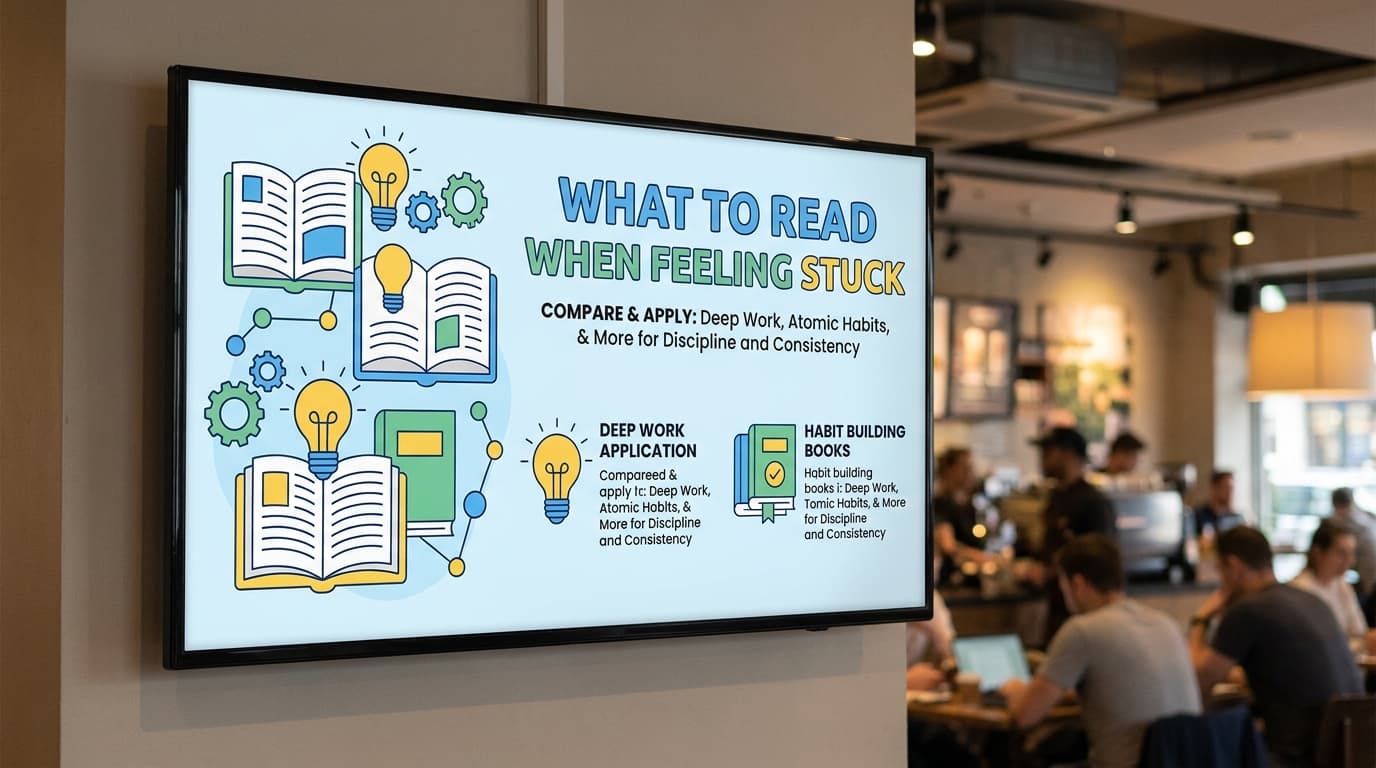
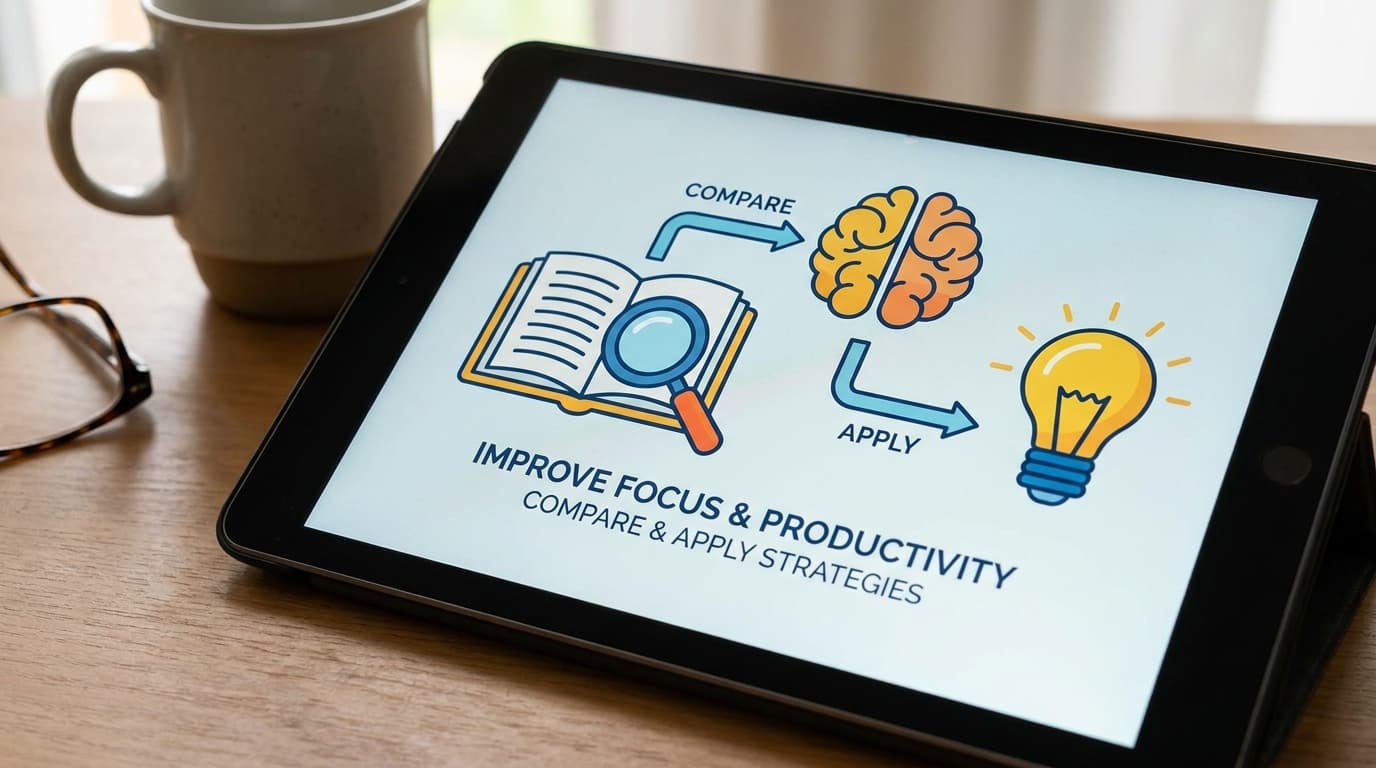
To get real results, you need to Compare & Apply: Discipline Equals Freedom vs The Willpower Instinct for daily discipline and see which approach fits your brain. Whether you need the tough love of a Navy SEAL or the scientific insights of a psychologist, finding the right tool is the difference between a temporary spark and a permanent shift in how you live.
This guide breaks down the best books for mindset shifts, practical decision making, and ending overthinking cycles. You will discover why systems always beat goals and how to pick the specific book that will help you finally move from just reading to actually doing.
We have all been there. Your nightstand is piled high with books that promised to change your world, but somehow, your life looks exactly the same. This is the shelf-help trap. We buy the wisdom but skip the work. Most of us think we just need more willpower to finally get things done. But here is the truth. Trying harder is a losing game. It is like trying to herd cats when you could just open a can of tuna to get them moving.
This guide cuts through the noise. Instead of just listing titles, we are looking at how to pick your next mental upgrade. Recent shifts in productivity show that systems beat goals every single time. As James Clear says, the system wins because it does not rely on how you feel in the moment. It is about designing an environment where doing the right thing is the easiest path.
Think of it this way. Are you struggling because you lack skills, or is it a behavioral habit holding you back? Often, the gap between being good and being great comes down to how we manage our own actions. Whether you use quick summaries or dive deep into a full book, the goal is moving from just knowing to actually doing. Real change happens when a new habit becomes as natural as a cat finding a sunbeam.
Key insights:
- Systems are more reliable than goals for making changes last.
- Behavioral habits often matter more than technical skills for success.
- Moving from awareness to assimilation is the key to real learning.
The Battle for Your Daily Discipline: Jocko Willink vs. Kelly McGonigal
Ever feel like you are in a constant tug-of-war between your lazy side and the person you want to be? You are not alone. On one side of the ring, we have the intense, grit-heavy world of Jocko Willink. On the other, there is the science-backed and compassionate approach of Kelly McGonigal. Choosing between them is not about picking a winner. It is about knowing which tool to grab when your alarm goes off at 5 AM and your bed feels too warm to leave. While Jocko pushes for extreme ownership, McGonigal reminds us that our brains have actual biological limits.
Jocko Willink argues that discipline is actually the pathway to true freedom. It sounds backwards at first. But think of it this way: when you automate your morning with a no-negotiation routine, you stop wasting mental energy on small choices. You just do the work. This approach removes the friction of 'should I?' and replaces it with 'I am.' It is about taking ownership of every second so you can actually gain time later. If you are busy, platforms like Blinkist provide 15-minute summaries of these philosophies so you can learn the core tactics while you are on the move.
But what happens when your brain just says no? That is where Kelly McGonigal and The Willpower Instinct come in. She treats willpower like a muscle that can get tired. Her research into the 'I will, I won't, and I want' powers shows that self-control is a biological instinct rather than just a personality trait. Instead of just trying harder, she suggests managing your willpower reserve throughout the day. This matches what James Clear says about how systems beat goals every time. If your system accounts for your tired brain, you are much more likely to stay on track.
The real magic happens when you mix these two perspectives. Use Jocko's intensity to build your initial systems and McGonigal's science to maintain them when things get messy. Marshall Goldsmith often points out that behavioral problems, not technical skills, are what separate the great from the near-great. It is not just about what you know. It is about how you handle yourself when you are tired or stressed. Whether you need a stern wake-up call or a smarter plan for your energy, both of these books offer a way to finally end the cycle of procrastination.
Key insights:
- Discipline creates freedom by removing the exhaustion of making constant small decisions.
- Willpower functions like a muscle that needs to be managed rather than just pushed to the limit.
- Systems are more effective than goals because they account for human biology and daily fatigue.
- Combining extreme ownership with self-compassion helps you stay consistent over the long term.
Discipline as a Tool for Freedom
We usually think of discipline as a cage, but Jocko Willink flips that idea on its head. He argues that discipline actually equals freedom. Think about your morning routine. If you spend twenty minutes debating whether to get out of bed or hit snooze, you have already lost time and mental energy. By making your wake-up time a no-negotiation rule, you stop wasting brainpower on small choices and gain more time for the things you actually enjoy.
This approach is about removing the friction of decision-making. When your feet hit the floor without a second thought, you are not a slave to a clock. You are freeing your mind for deep work later. It is the same logic James Clear uses when he says systems beat goals every time. You are not just trying to be better; you are following a script that works. Jocko reminds us that discipline is the pathway to true freedom.
The interesting part is how this shifts your mindset. While it feels like you are being strict, you are actually building a perimeter that keeps distractions out. Tools like Blinkist help people digest these philosophies in fifteen minutes, showing that even small behavioral shifts can separate the great from the near-great. It turns out that the more rules you set for your habits, the more liberty you find in your daily life.
Key insights:
- Removing the choice to procrastinate saves mental energy for more important tasks.
- A no-negotiation morning routine creates immediate momentum without the need for willpower.
- Discipline acts as a boundary that protects your time rather than a weight that holds you back.
The Science of Saying No
Ever feel like your self-control vanishes by 4 PM? Kelly McGonigal’s research in The Willpower Instinct shows that discipline is a biological resource, not just a personality trait. Think of it like a battery - or even a cat’s patience during a long nap. Every choice you make drains your Willpower Reserve. To stay charged, you have to balance three internal powers: I Will for things you should do, I Won't for things to avoid, and I Want for your long-term goals. When you are clear on what you actually want, saying no to a quick distraction feels less like a chore and more like a choice.
Here is the thing: systems beat goals every time. Instead of burning energy on raw effort, use your morning full charge for the hardest tasks. If you set up your environment so you do not have to constantly fight those I Won't urges - like keeping the human snacks and cat treats tucked away - you save power for what matters. As Jocko Willink says, this kind of discipline is the path to true freedom. It turns out that managing your energy levels throughout the day is always more effective than just trying harder.
Key insights:
- Willpower is a limited biological resource that drains like a battery throughout the day.
- Balancing the three powers of I Will, I Won't, and I Want simplifies decision making.
- Designing your environment and using systems protects your reserve better than raw grit.
Mindset Shifts: Ancient Wisdom or Modern Real Talk?
Ever feel like you are fighting a losing battle with your own head? You are not alone. Whether you turn to Marcus Aurelius or Mark Manson, the message is surprisingly similar: life is kind of a mess, and that is okay. We often think mindset shifts need to be these massive, overnight explosions of clarity. But the reality is more about choosing which problems are actually worth your energy and focus.
The Daily Stoic teaches us that most things are simply out of our hands. It is about identifying what we can control and letting the rest go. On the flip side, The Subtle Art of Not Giving a F*ck argues that happiness comes from solving problems, not avoiding them. Both books land on the same truth: life is supposed to be a bit difficult. Instead of wishing for an easy life, these authors suggest we find better things to struggle for. It is a shift from asking why this is happening to you to asking if this is a struggle you actually care about.
When we look at Stoicism for the modern world, the core idea is the dichotomy of control. It sounds fancy, but it just means separating the things you can change from the things you can't. Think about your morning commute or a grumpy boss. You can't change the traffic, but you can change how you react to it. This is where modern tools like Blinkist come in handy. You can grab these timeless lessons in a 15-minute summary while you are actually stuck in that traffic. It is about taking ancient wisdom and making it work for your 9-to-5 life.
Keeping your cool when things go sideways is not a talent. It is a skill. James Clear often talks about how the four levels of learning, awareness, awkwardness, application, and assimilation, apply to everything we do. At first, trying to stay calm feels fake and awkward. But as you apply these mindset shifts daily, they start to feel like second nature. You stop trying to willpower your way through stress and start building systems that protect your peace. As Clear says, the system beats the goal every time, especially when it comes to managing your own mind.
Key insights:
- Mindset shifts are about choosing better struggles, not eliminating them.
- The dichotomy of control helps you stop wasting energy on things you cannot change.
- Daily practice moves you through the awkward phase of learning into natural assimilation.
Stoicism for the Modern World
Ever feel like your day is just a series of fires you didn't start? Stoicism offers a quiet way out through the dichotomy of control. It is a simple concept: some things are your business and most things are not. You control your effort and your reaction. The traffic and your boss's mood? Those belong to the world. When you stop trying to fix what you can't touch, you save your energy for what actually matters.
This matters because discipline is the path to freedom. Instead of fighting every external trigger, you can build systems that protect your peace. It is the same logic used in Atomic Habits: systems beat goals every time. When things go sideways, you don't need a miracle. You just need a solid daily practice to fall back on.
Next time you're stressed, ask if you can actually change the situation right now. If the answer is no, let it go. Most of our hurdles are behavioral, not technical. Learning to separate your actions from the outcome is the best way to stay cool when the world gets messy.
Key insights:
- Focusing only on what you can control saves massive amounts of mental energy.
- Reliable systems are better than willpower when things go wrong.
Deciding Fast and Slow: Is Your Gut Feeling Lying to You?
Ever had a hunch that turned out to be a total disaster? Or maybe you overthought a simple choice until your brain felt like mush? We have all been there. The battle between your gut and your logic is constant, and two of the most famous books on the planet actually disagree on which one you should trust. Daniel Kahneman's Thinking, Fast and Slow warns us that our brains are basically minefields of errors, while Malcolm Gladwell's Blink argues that our snap judgments are often our most powerful tools.
So, who is right? The truth is usually found right in the middle. Think of it like this: your gut is a high-speed processor that works best when it has years of experience to pull from. If you are a pro at something, your blink moment is likely spot on. But if you are trying something new, that same gut feeling might just be a bias in disguise. Finding the sweet spot between over-analyzing every detail and jumping the gun requires knowing when to pause. This is why tools like Blinkist are so popular today; people want the core insights of these heavy-duty manuals in 15 minutes because training your brain takes real effort.
Most of the time, your brain is running on autopilot. This is System 1 thinking. It is fast, emotional, and incredibly lazy. It loves shortcuts because they save energy. The problem? Those shortcuts lead to the same mistakes over and over. To stop ruining your day with bad calls, you have to manually kick System 2 into gear. This is your slow, logical, and effortful mode. It is the difference between reacting to a stressful email and taking a breath to think about what the sender actually needs. This manual override is the only way to catch common biases before they lead you astray.
Think about the four levels of learning: Awareness, Awkwardness, Application, and Assimilation. Most people get stuck at Awareness because Awkwardness feels bad. But you have to push through that stage to wake your brain up. Recognizing your own biases is the first step to better discipline. Once you realize your brain is just trying to take the easy way out, you can start designing better systems to catch those errors before they happen. As James Clear often points out, the system beats the goal every single time. It is about making the right choice the easiest choice.
Key insights:
- System 1 is your autopilot; it is fast but prone to bias and laziness.
- System 2 is your manual override; it is slow but prevents repetitive errors.
- Snap judgments work best when backed by deep experience, not just vibes.
- Pushing through the awkwardness of learning is the only way to improve decision-making.
System 1 vs. System 2 Thinking
Ever feel like your brain is running on autopilot? That is your System 1 thinking. It is fast and intuitive, but also a bit lazy. It loves taking shortcuts to save energy, which is great for quick reflexes but bad for complex choices. This is where common biases hide, quietly steering your day without you even noticing. What does this mean for you? It means your first reaction is often the easiest one, not the best one.
To get better results, you have to wake up System 2. This is your slow, logical side. It takes real effort to engage, moving you through the levels of learning from initial awareness to total assimilation. Instead of just setting a goal to be smarter, use a system that forces you to slow down. When you stop relying on gut reactions and start using deliberate thought, you stop fighting your biology and start making moves that actually stick.
Key insights:
- System 1 is your brain's default 'lazy' mode that relies on fast shortcuts and biases.
- System 2 requires active effort to engage but leads to more accurate, logical decisions.
- Moving from awareness to assimilation is a process that requires a system, not just willpower.
Systems vs. Tiny Steps: Building Habits That Actually Stick
Have you ever noticed how hitting a goal can sometimes feel like a letdown? You cross the finish line, get the trophy, and then your motivation just vanishes. James Clear argues in Atomic Habits that this happens because goals have an end date, but systems do not. When you focus on a system, you are building a process that lasts long after the initial excitement wears off. It is the difference between wanting to win a single race and becoming a runner who enjoys the daily miles.
The real problem with goals is that they are binary. You either win or you fail. Systems are different because they focus on your identity. Instead of saying you want to write a book, you decide to be the person who writes five hundred words every morning. This identity-based approach is powerful because it changes how you see yourself. When your habits are tied to who you are, you stop looking for excuses to skip them. You do not need a massive amount of willpower when you are simply acting like the person you have already become.
But how do you actually start without feeling overwhelmed? This is where BJ Fogg and his Tiny Habits method come in. He suggests using anchors to make change feel effortless. The idea is to tether a new behavior to something you already do every single day. You use a simple formula: After I [Current Habit], I will [New Habit]. For example, after you pour your first cup of coffee, you might write down one thing you are grateful for. By starting so small it is impossible to fail, you take the pressure off and let the habit grow naturally.
Every habit you have follows a specific anatomy known as the cue-routine-reward loop. A cue triggers your brain to start a behavior, the routine is the action itself, and the reward tells your brain that this loop is worth remembering. Understanding this structure helps you troubleshoot why certain behaviors stick and others do not. If you want to learn more effectively, remember the four levels: awareness, awkwardness, application, and finally, assimilation. Most people quit during the awkward phase, but if you stick to your system, you eventually reach a point where the habit becomes second nature.
Success is rarely about a single heroic effort. It is usually the result of small, incremental changes that lead to sustainable results. Whether you are using a tool like Blinkist to fit in a fifteen-minute summary or practicing the discipline that Jocko Willink calls the path to freedom, the key is consistency. Systems keep you moving forward when goals are out of reach, and tiny steps ensure you never stop starting. Think about your daily routine right now. Where could you tuck in one small anchor to start building the life you want?
Key insights:
- Systems are superior to goals for long-term behavior change because they do not have an expiration date.
- Identity-based habits focus on who you are becoming rather than just what you are doing.
- The After-Action anchor makes new habits effortless by attaching them to existing daily routines.
- The cue-routine-reward loop is the fundamental structure of every habit and the key to changing them.
Why Systems Beat Goals Every Time
Ever notice how the day after you hit a big goal, everything just stops? You finish the marathon and suddenly you are not running anymore. That is the trap of winning. Goals are great for setting a direction, but they are often bad for keeping you moving long-term. When you focus only on the finish line, you lose your reason to keep going once you cross it.
This is where systems take over. As James Clear highlights in Atomic Habits, your results are just a lagging measure of your habits. Instead of obsessing over a specific number, focus on becoming the person who does not miss a workout. This is an identity shift. You are not just trying to exercise. You are an athlete in training.
Marshall Goldsmith notes that behavioral problems, not technical skills, are what hold us back. By focusing on the process, you move from simple awareness to assimilation. You stop relying on a prize and start living the system. This is how you actually change for good.
Key insights:
- Goals have an end point, but systems create a permanent identity.
- Focus on the four levels of learning to move from awareness to assimilation.
- Behavioral changes matter more than technical skills for long-term success.
The Power of the 'After-Action' Anchor
Ever tried to overhaul your entire life only to crash by Tuesday? We’ve all been there. The secret isn't more willpower; it’s about designing a better system. James Clear’s Atomic Habits teaches us that systems beat goals every time. One of the best ways to build that system is using an 'After-Action' anchor.
It works like this: 'After I [Current Habit], I will [New Habit].' Think of it as hitching a ride on something you already do. For example, after you feed the cat, you could do two pushups. That’s it. You aren't trying to run a marathon; you’re just showing up. This simple loop turns an existing routine into a trigger for growth.
The goal is to start so small it’s impossible to fail. You’re moving through the four levels of learning - from awareness to assimilation. It’s not about being perfect; it’s about making the right choice the easiest one to make. Why fight your brain when you can outsmart it?
Key insights:
- Systems are superior to goals for long-term behavior change.
- The 'After-Action' anchor uses existing habits as triggers for new ones.
- Success comes from making habits so small they are impossible to skip.
Turning Off the Noise: How to Finally Stop Overthinking
Ever find yourself stuck in a loop at two in the morning? You are replaying a conversation from three years ago or worrying about a project that hasn't even started yet. This mental noise is more than just annoying. It acts as a physical wall between you and the work you actually want to finish. Most of us think we need more information to stop worrying, but the reality is that we usually need less thinking and more movement. It is all about closing the gap between knowing what to do and actually doing it.
Mel Robbins calls this the hesitation gap. Her 5 Second Rule is a simple way to bypass the part of your brain that tries to talk you out of taking action. When you have an impulse to act on a goal, you count 5-4-3-2-1 and physically move before your mind can object. This works because it pushes you from the awareness stage of learning straight into application. You are not waiting to feel ready because that feeling rarely comes when you are doing something new or scary. This changes everything.
But what about those thoughts that keep coming back? Jon Acuff suggests looking at these repetitive worries as soundtracks. Many of our mental loops are just broken records we have been playing for years. Marshall Goldsmith points out that these behavioral patterns, not our actual skills, are usually what hold us back from being great. Instead of asking what if everything goes wrong, try asking what now. This small shift moves you from a passive state of fear into a practical, system-based approach.
Think of it like a quick fifteen minute book summary for your brain. You do not need the whole story of why you are stressed to start moving. You just need the next step. James Clear often says that systems beat goals every time. If your current system for overthinking is to sit still and worry, your new system should be to change your physical state or take one tiny action. Discipline is not a cage that keeps you from thinking. It is the tool that frees you from the noise.
Key insights:
- The hesitation gap is the space between an idea and the action, which is where overthinking lives.
- Replacing what if with what now shifts your focus from hypothetical fears to immediate solutions.
- Physical movement within five seconds can bypass the brain's natural tendency to overanalyze risks.
- Systems for action are more reliable than trying to use willpower to stop a spinning mind.
From Awareness to Assimilation: The 4 Levels of Real Change
You’ve probably spent fifteen minutes scrolling through a book summary and felt like you’ve suddenly cracked the code to a better life. It’s a great feeling, but it’s also a bit of a trap. This is the Awareness stage, and while it’s the spark, it isn't the fire. Knowing that the system beats the goal, as James Clear says, doesn't actually build the system for you. Most of us mistake the hit of dopamine we get from learning for the actual hard work of changing.
To move forward, you have to embrace the Awkwardness. This is where most people bail. When you try to apply a new habit from The Willpower Instinct or Atomic Habits, it feels forced and clunky. You feel like an impostor. But here is the thing: Marshall Goldsmith argues that behavioral problems are the real barrier between being near great and actually great. That awkward feeling isn't a sign that you're failing; it's proof that you're practicing. It is the necessary bridge between passive learning and active behavioral change.
If you push through that messiness into Application, you eventually hit Assimilation. This is when the habit becomes you. You stop doing discipline and start being disciplined. It’s no longer a task on your to-do list; it’s just how you operate. By focusing on those tiny, incremental systems rather than big, scary goals, you bypass the need for constant willpower. You move from the stress of trying to the ease of just being. So, ask yourself: are you just collecting information, or are you willing to be a bit awkward to get to the other side?
Key insights:
- Knowledge alone is just the first level; real change requires moving through the discomfort of practice.
- Systems are more effective than goals because they focus on the process of becoming, not just achieving.
- Assimilation happens when a behavior moves from a conscious effort to an unconscious part of your identity.
Frequently Asked Questions
If your self-discipline feels as stubborn as a cat that won't get off the keyboard, you should start with Atomic Habits by James Clear. It is the perfect first step because it moves the focus away from trying harder and puts it on building better systems. You will find that you do not need a massive amount of willpower to make progress.
The book is great because it breaks things down into tiny steps that anyone can do. Also, if you are in a rush, you can find 15 minute summaries on places like Blinkist to get the big ideas quickly. It is all about making the right choice the easiest choice.
The idea that willpower is a battery that runs out is a bit of an old school way of looking at it. While it definitely feels like we lose steam after a long day, experts now think it is more about how we handle our internal triggers and stress. Kelly McGonigal's book, The Willpower Instinct, is a fantastic resource if you want to see how this works in your own brain.
Instead of trying to recharge a battery, it is usually better to build systems so you do not have to use willpower at all. When you have a solid routine, you can save your energy for the fun stuff. Just remember that small changes usually lead to much better results than trying to change everything overnight.
You totally can. These two books are like peanut butter and jelly for your daily routine. While Atomic Habits gives you the big picture of how systems beat goals, Tiny Habits shows you exactly how to start so small that you can't possibly fail. They both agree that tiny changes are the secret to long term success.
Here's the thing. You can use James Clear's ideas to fix your environment and BJ Fogg's methods to make sure your first step takes less than two minutes. It's a great way to stop relying on willpower and start relying on a solid plan that actually sticks.
It usually comes down to the difference between knowing what to do and actually doing it. Reading a book is just the awareness stage, but real change happens during the awkward phase of practice. If you're focusing only on the end goal instead of the daily system, you'll likely burn out when things get tough.
Also, remember that internal triggers are often harder to manage than your phone or your schedule. Sometimes we fail because our environment is working against us or we're trying to change too much at once. Instead of trying harder, try to design a better system that makes the right choice the easy choice.
Conclusion
So what does all this mean for your bookshelf? We have looked at how to Compare & Apply: Discipline Equals Freedom vs The Willpower Instinct for daily discipline and how systems usually beat raw effort. Whether you are choosing between Stoic wisdom and modern real talk or trying to fix your habit loops, the pattern is the same. Real change happens when you stop collecting information and start testing it in your own life.
You do not need to read every page of all ten books to see progress. The smartest next step is to pick the one pair that matches your biggest hurdle right now. If you are stuck in your head, try the 5 Second Rule. If your routines are falling apart, look at Atomic Habits vs Tiny Habits for sustainable behavior change.
The goal is to move from just knowing things to actually living them. It might feel a bit awkward at first, but that is just how growth works. Pick one small tactic and try it today. You have the tools now, so go ahead and use them.
Send it to someone who should read it next.
About the author

ScoreRead Editorial Team
Editorial Team
Every article on ScoreRead is researched, written, and edited by our editorial team before publishing, so the ideas we cover stay accurate, clear, and genuinely useful.
View all articles