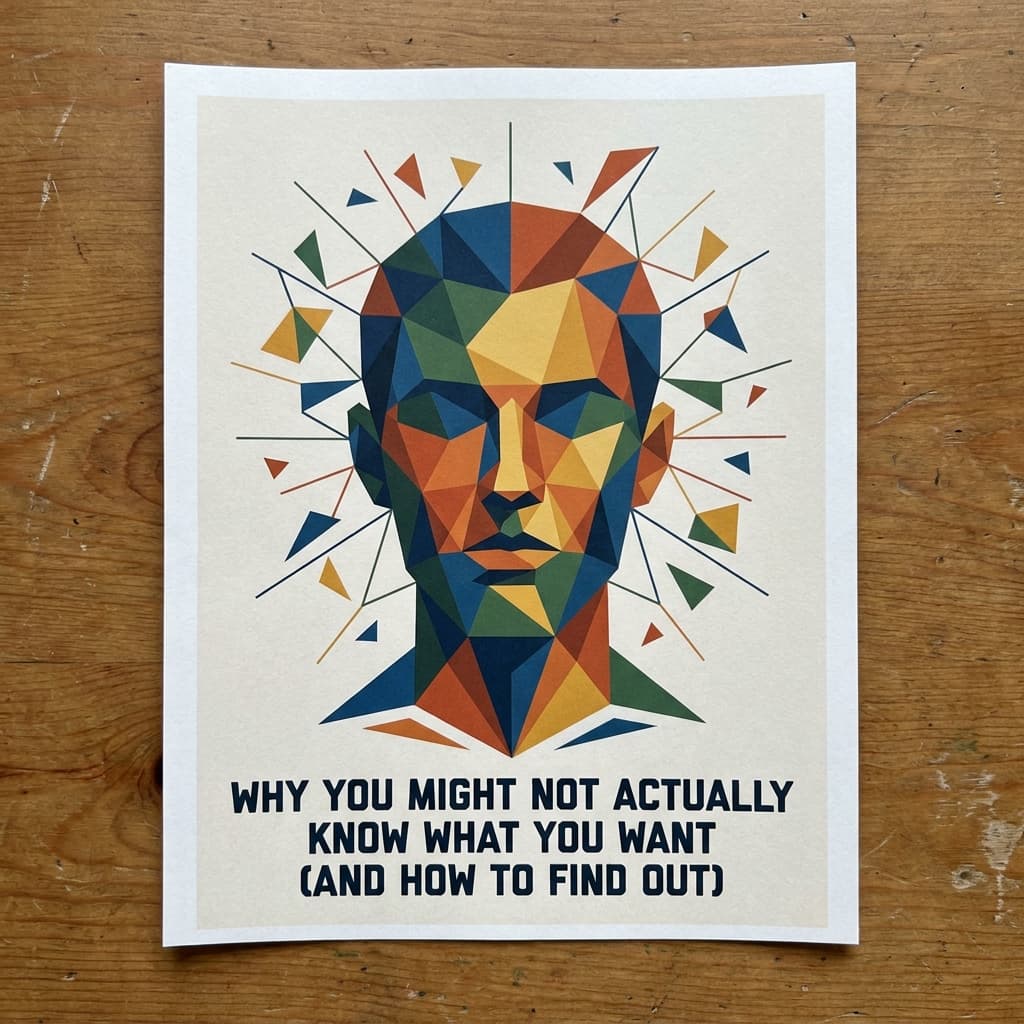
Finding Yourself: Why Small Habits Reveal Your Big Identity
Self-discovery isn't a grand destination, but a result of Self-Discovery: building self awareness through intentional habits you practice every day. Your identity is built by how you spend your minutes,...

ScoreRead Editorial Team
Editorial Team
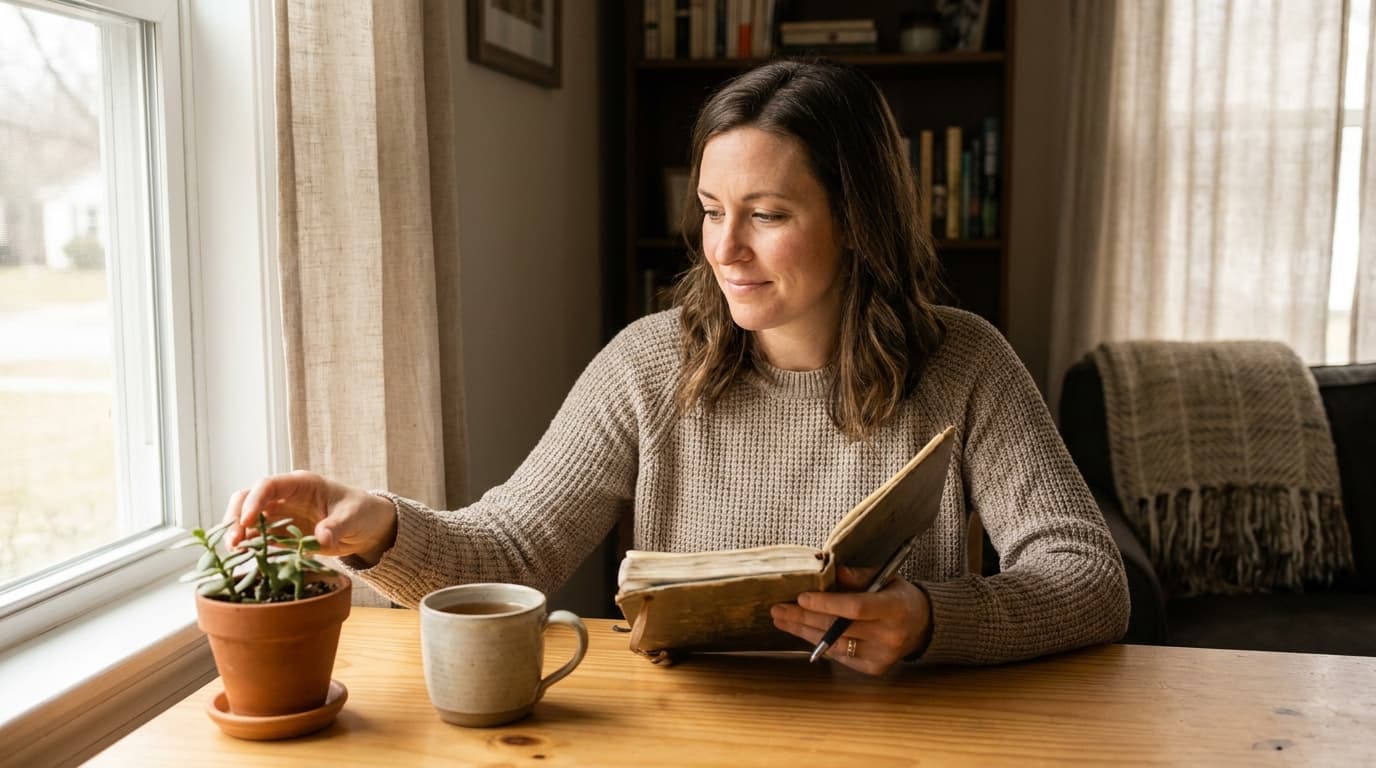
Finding Yourself: Why Small Habits Reveal Your Big Identity
Self-discovery isn't a grand destination, but a result of Self-Discovery: building self awareness through intentional habits you practice every day. Your identity is built by how you spend your minutes, not by seeking validation from others.
Many people feel stuck because they were taught to ignore their own needs just to fit in. Understanding these small patterns helps you shift from simply surviving to living from a place of true worth.
You'll learn how to use research-backed journal prompts and simple activities to uncover your values and set boundaries that stick.
Why is Self-Discovery So Hard to Start?
Looking inward feels daunting because it often triggers a specific kind of anxiety. When you try to define your deepest values or identity, you might hit a mental wall. It is difficult to answer who you are when you have spent years suppressing your true self just to fit in or meet expectations. This stuck feeling is a natural reaction to years of ignoring your own internal signals.
Imagine sitting at a desk with a brand-new journal and a pen, ready to start your journey. You want to find clarity, but your mind goes completely silent. You feel like you have absolutely nothing to say because you were taught as a child that being 'too sensitive' was a flaw. Now, that silence feels like a barrier you cannot climb, leaving you staring at a white page while the clock ticks.
Many of us carry an old narrative that we are 'too much' or 'too emotional.' These childhood messages create a frantic need to please others, which eventually leads to deep burnout. As Jennie Sheffe points out, when we serve others without caring for ourselves, we stop serving and start 'slaving' for validation. This makes self-discovery even harder because your worth has been tied to what you do for others rather than who you actually are.
Think about that sensitivity you were once told to hide. Instead of a weakness, it is actually a tool for deep emotional awareness and empathy. When you recognize that your natural traits have value, you can finally set the boundaries you need to protect your energy. Research shows that using guided prompts helps you focus and makes the process enjoyable, leading to better sleep and a stronger immune system.
You do not have to face a blank page alone or rely on pure willpower to figure things out. Using structured tools can bypass that initial writer's block and help you tap into your existing imagination and desires without the pressure of being perfect.
Key insights:
- Use a research-backed workbook with guided exercises to lower the barrier to entry and give your thoughts a clear direction.
- Identify one 'negative' trait from your childhood and reframe it as a personal strength, like turning 'too loud' into 'confident communicator.'
- Try using specific journal prompts to bypass writer's block and tap into your existing feelings and desires.
- Look for areas where you are 'slaving' for validation and set one small boundary this week to reclaim your time.
- When you feel stuck, remember that journaling serves as a pressure valve for anxiety, providing a safe place to test out new thoughts.
Moving Past the 'Too Much' Narrative
Many of us carry childhood labels that suggest we are 'too much' or 'too sensitive.' These messages often spark a frantic quest to fit in, leading us to suppress our true selves just to feel accepted. But what if those exact traits are actually your greatest strengths?
Recent findings show that journaling acts as a pressure valve for this internal anxiety. It creates a safe space to test out thoughts and realize that being highly aware isn't a flaw. When you stop slaving for validation, you finally start serving from a place of genuine self-worth.
Take someone who was always called 'too dramatic' as a kid. For years, they might have silenced their voice to avoid conflict. But by using specific journal prompts to explore that intensity, they might discover it is actually a gift for storytelling or leadership that they have been hiding away.
Key insights:
- Identify one negative trait from your childhood and write down how it helps you today.
- Reframe sensitivity as deep emotional awareness or a tool for better connections.
- Use guided exercises from a research-backed workbook to move past writer's block.
- Practice expressive writing to improve your sleep and boost your immune system.
How Small Habits Shape Your Real Identity
Who you are is not a fixed destination you reach one day. Instead, your identity is built by the small things you do every single morning and afternoon. Every time you choose a specific action, you are casting a vote for the type of person you want to be. If you spend your minutes reacting to the world, you become a reactor. If you spend them intentionally, you build a foundation of self-awareness that helps you stay grounded.
This is where habits like journaling come in handy. Research published by the New York Times shows that simple expressive writing can lead to better sleep and even a stronger immune system. It acts like a pressure valve for your brain. By using guided exercises from a workbook or specific prompts, you can move past the surface and figure out what actually matters to you. It is not just about being productive; it is about making sure you do not lose yourself in the noise of everyday life.
Think about your morning routine. Most of us grab our phones the second the alarm goes off, diving straight into a sea of emails and social media alerts. When you do this, you are telling your brain that the outside world is more important than your own thoughts. But imagine if you spent just ten minutes on a morning reflection instead. That tiny shift signals that your internal state is the priority. It turns a simple moment into a statement about who you are and what you value most.
Key insights:
- Pick one anchor habit that focuses on your identity rather than just getting things done.
- Use a research-backed workbook or specific prompts to help you focus when you feel stuck or blocked.
- Set a firm boundary with your phone for the first few minutes of the day to protect your headspace.
- Notice when you feel like you are slaving for validation and pause to reflect on your own worth.
Journal Prompts That Actually Spark Mindset Growth
Most people treat journaling like a simple log of what they ate for lunch, but real growth happens when you dig into the why behind your reactions. To get past surface-level thoughts, you need to ask sub-questions that poke at your underlying beliefs. This shift turns a simple habit into a powerful tool for self-discovery. Research even shows that regular expressive writing can lead to better sleep and a stronger immune system because it acts as a pressure valve for daily anxiety.
Imagine you are a first-time cat owner feeling overwhelmed by your new routine and the pressure to be perfect. You sit down to write, feeling like you are failing because the house is messy and the cat is picky. Using a prompt like, What am I doing when I feel most like myself? might reveal that you feel best when you are actually playing with your pet, not when you are stressing over the perfect feeding schedule. This specific insight helps you see the gap between who you are and the unrealistic expectations you have set for yourself.
When you hit a wall and the page stays blank, it is usually because you are overthinking the outcome or feeling empty. We often carry old messages that we are too sensitive or too much, which makes us afraid to be honest on paper. To break through this block, try writing a letter to your future self about the values you want to embody. This taps into your imagination and helps you explore your identity without the pressure of being perfect, turning a blank page into a safe space to try out new thoughts.
Self-discovery is a big job, and it is the first step before you can even think about setting boundaries with others. As Jennie Sheffe points out, when we serve others without taking care of ourselves, we stop serving and start slaving for validation. Using guided exercises and research-backed workbooks can help you move away from that frantic quest to fit in. By focusing on intentional habits, you begin to see that your identity is built through these small, daily moments of reflection.
Key insights:
- Commit to a 5-minute daily expressive writing session to act as a pressure valve for stress.
- Keep a list of three go-to prompts on your phone to use whenever you feel confused or stuck.
- Look for guided workbooks with research-backed exercises instead of staring at a blank diary.
- Write a letter to your future self to identify the core values you want to live by every day.
- Try prompts like 'What am I doing when I feel most like myself?' to find your natural flow and joy.
Using Prompts to Overcome Writer's Block
Writer's block usually happens when we try to force big answers from a blank mind. Prompts fix this by giving you a specific starting line so you do not have to invent the topic from scratch. Research shows these guided questions help you focus and make the writing process much more interesting.
Imagine you are sitting down to write but your brain feels as empty as a cat's food bowl at dawn. Instead of trying to solve your whole life, you write a letter to your future self about the values you want to live by. This small spark turns a scary task into a simple, warm conversation with yourself.
Recent findings show that journaling this way acts like a pressure valve for stress. It helps you process challenges in a private space so you can sleep better and keep your immune system strong.
Key insights:
- Keep a list of three favorite prompts on your phone for quick use when you feel confused.
- Look for guided workbooks with research-backed exercises instead of using empty diaries.
- Try writing about your feelings to act as a pressure valve for daily stress and anxiety.
Turning Emotional Awareness into Healthy Boundaries
Setting a boundary is impossible if you do not know where you end and the other person begins. You cannot protect your time or energy if you haven't identified what you are actually protecting. Many people carry old messages from childhood that they are 'too much' or 'too sensitive,' which creates a frantic need to fit in. This often leads to a cycle where you say yes to everything just to feel valued, but you end up losing your sense of self in the process.
True self-discovery is the only way to break this cycle. Research shows that habits like journaling act as a pressure valve for anxiety, giving you a private space to figure out your own values. When you use research-backed tools like the Self-Discovery Workbook, you move past simple diary entries and start seeing the patterns in your behavior. This awareness is what allows you to stop 'slaving' for validation and start serving others from a place of genuine strength.
Imagine a friend asks you for a big favor on your only free afternoon this week. As they are talking, you notice a sharp tightening in your chest and your breath gets shallow. In the past, you might have ignored this and said 'sure' anyway. But with emotional awareness, you recognize that physical tension as a clear signal that you are overextending. Instead of a reflex 'yes,' you realize your body is already telling you that you need rest more than you need to be helpful.
Key insights:
- Practice the 'pause and feel' technique by waiting ten seconds before answering any new request for your time.
- Scan your body for physical cues like a clenched jaw or a heavy stomach when someone asks for a favor.
- Use specific journal prompts to identify your deepest values so you know exactly what is worth your energy.
- Ask yourself if you are helping because you want to or because you are afraid of being disliked.
- Look for guided exercises that focus on identity discovery to help make boundary-setting a natural habit.
Frequently Asked Questions
Starting a self-discovery journey often feels like trying to herd cats. You might worry that you lack the time or feel afraid of what you will find deep down. But here is the truth: looking inward is actually a pressure valve for your anxiety. Research shows that simple habits like journaling can boost your immune system and help you sleep better because you finally have a safe place for your messy thoughts.
Imagine someone who says yes to every favor because they grew up being told they were too much or too sensitive. They are not just being kind; they are slaving for validation instead of serving from a place of self-worth. By using guided prompts, they can start to see these old patterns and realize they have been hiding their true self just to fit in. It is like a cat finally finding its favorite sunspot - once you know who you are, life feels a lot more comfortable.
You do not need hours of free time to make progress. Even ten minutes with a research-backed workbook can give you the clarity you need to set better boundaries. When you understand your own identity, you stop guessing what others want and start living for yourself.
Key insights:
- Try using specific journal prompts to get past writer's block and tap into your real feelings.
- Look for guided exercises that use research-backed methods rather than just staring at a blank page.
- Set small boundaries for yourself once you identify your deepest values and needs.
- Use journaling as a private space to process challenges and lower your daily stress.
Your Next Step Toward Self-Awareness
Self-discovery isn't a destination because it is a lifelong habit of curiosity. Like a cat sniffing out a new box, you have to poke around to see what is inside. Research shows journaling acts as a pressure valve for stress and improves sleep. These moments help you separate your true self from old habits you adopted just to fit in.
Imagine someone who always felt too sensitive and now exhausts themselves to please others. For example, a guided prompt might show they are slaving for validation rather than serving from worth. It is like finally realizing you have been chasing a laser pointer someone else controls. That realization helps you set boundaries and reclaim your identity.
Key insights:
- Start tomorrow morning with one journal prompt and three minutes of focus.
- Use research-backed guided exercises to skip the stress of a blank page.
- Identify childhood messages that might be suppressing your true self.
- Look for where you are earning value instead of simply owning it.
How long does it take for self-discovery habits to show results?
You will likely feel a bit of relief after your first few sessions, but the real shifts usually show up after about two or three weeks of steady practice. It is a lot like starting a new workout routine. You might feel a little tired or unsure at first, but soon you start to notice you are standing a bit taller and feeling more sure of your choices.
Using a guide like the Self-Discovery Workbook helps because it gives you over 20 research-backed exercises to follow. This keeps you from getting stuck just staring at a blank page. BetterUp also points out that having access to plenty of prompts, like their list of 90 ideas, makes it much easier to stay consistent and actually see those changes in your daily focus.
Can journaling really improve my physical health?
It definitely can. It sounds a bit strange that writing in a notebook helps your body, but research mentioned by the New York Times shows it can lead to better sleep and even a stronger immune system. Think of it as a safe place to dump all the mental clutter that usually keeps you up at night.
When you use journal prompts to explore your identity, you are letting out the pressure that builds up from old childhood messages or the stress of trying to fit in. By getting those thoughts out, you stop slaving for validation and start taking better care of yourself. It is a simple way to turn a frantic day into a much calmer one because you are giving your brain a pressure valve for anxiety.
What if I don't like what I discover about myself?
It is totally normal to feel nervous about what you might find. Sometimes we uncover old habits or thoughts that feel a bit messy. But here is the thing: you cannot change what you do not acknowledge. Think of journaling as a safe space to test out these thoughts without anyone judging you.
Research actually shows that facing these parts of yourself through writing can help you sleep better and boost your immune system. Instead of hiding from those discoveries, you can use them as a starting point to build habits that actually match who you want to be.
Is self-discovery different from just being self-centered?
They might look similar on the surface, but they are very different. Self-centeredness is often about seeking attention or validation from others because you do not feel secure. Self-discovery is the work you do to find that security within yourself. It is about learning your values so you do not have to guess what you stand for.
When you know yourself, you can set better boundaries. There is a big difference between helping people because you want to and doing it because you feel like you have to earn your worth. Learning about yourself helps you stop slaving for others and start serving them from a place of genuine care.
Conclusion
So where does all this leave us? Finding yourself is less about a big, dramatic reveal and more about the quiet things you do when no one is watching. By building self awareness through intentional habits, you stop reacting to what the world wants and start listening to what you actually need. Those small moments, like picking up a pen instead of a phone, are where your real identity starts to show up and speak for itself.
If looking inward feels a bit heavy or even scary, remember that you do not have to figure it all out by lunch. Using habit formation for identity discovery just means being a little more curious about your own reactions today than you were yesterday. You might start by trying one journal prompt or just sitting in silence for three minutes tomorrow morning to see what comes up.
The goal is not to reach a perfect finish line where you finally have all the answers. It is about staying awake to your own life and trusting that the small, honest choices you make every day are enough to build a person you actually like being. You are always a work in progress, and that is exactly how it should be.
Send it to someone who should read it next.
About the author

ScoreRead Editorial Team
Editorial Team
Every article on ScoreRead is researched, written, and edited by our editorial team before publishing, so the ideas we cover stay accurate, clear, and genuinely useful.
View all articles